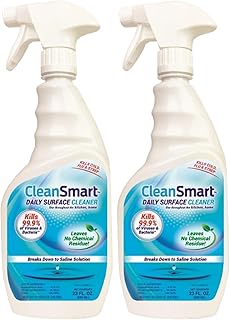
In the ever-evolving world of skincare, a powerful yet gentle ingredient has been making waves among dermatologists, estheticians, and savvy consumers alike: Hypochlorous Acid (HOCl). This naturally occurring molecule, produced by our own white blood cells to fight infection, is now harnessed in topical sprays and cleansers. If you're dealing with acne, sensitive skin, eczema, or simply seeking a smarter, more effective way to cleanse, understanding this ingredient is crucial. This guide dives deep into the science, benefits, and practical applications of hypochlorous acid for facial and skin care.
What is Hypochlorous Acid (HOCl)? The Science Simplified
Hypochlorous acid is a weak acid that occurs naturally in the human body. It's a key component of the innate immune response. When your body detects a pathogen, neutrophils (a type of white blood cell) produce HOCl to neutralize bacteria, viruses, and fungi on contact. This makes it one of the body's most effective and fundamental antimicrobial agents. The brilliance of modern smart skincare lies in stabilizing this molecule outside the body, creating products that mimic and support our natural defense systems. Unlike harsh chemical disinfectants, HOCl is non-toxic to human cells at appropriate concentrations, making it exceptionally safe for use on delicate facial skin and even around the eyes.
Top Benefits of Using Hypochlorous Acid Spray on Your Face & Skin
Why should you consider adding a hypochlorous acid spray to your routine? The benefits are multifaceted, addressing both preventative care and treatment of specific conditions.
1. Potent Yet Gentle Antimicrobial Action
This is the core function. HOCl spray effectively reduces the load of acne-causing bacteria (like *C. acnes*), fungi, and other microbes on the skin's surface. It does this without disrupting the skin's delicate acid mantle or beneficial microbiome in the way that traditional antiseptics like alcohol or benzoyl peroxide often do. This makes it an ideal acne treatment for those with sensitive skin who cannot tolerate harsher alternatives.
2. Soothes Inflammation and Calms Irritation
HOCl has remarkable anti-inflammatory properties. It helps to calm redness, swelling, and irritation associated with conditions like rosacea, eczema, dermatitis, and post-procedure skin (e.g., after microneedling or laser treatments). By modulating the immune response at the skin level, it can provide rapid relief for angry, reactive skin.
3. Supports Wound and Piercing Healing
As a natural part of the body's healing cascade, topical HOCl creates an optimal environment for wound repair. It keeps the area clean of pathogens without cytotoxic effects, promoting faster healing for minor cuts, scrapes, burns, and is famously effective for piercing aftercare. It's a sterile, sting-free alternative to alcohol or hydrogen peroxide.
4. Ideal for Eczema and Dermatitis Relief
For those struggling with eczema relief, HOCl offers a dual action: it reduces the risk of secondary bacterial infections (common in eczema due to broken skin) while simultaneously calming the inflammatory itch-scratch cycle. Its gentle nature means it won't further dry out or irritate already compromised skin barriers.
5. A Superior Pre- and Post-Cleansing Step
Think of it as the ultimate facial cleanser booster. Spritzing before cleansing can help loosen debris and microbes. Using it after cleansing or throughout the day provides ongoing antimicrobial skin care protection without stripping the skin, making it perfect for gym bags, post-mask wear, or touch-ups to reduce shine and bacteria.
How to Incorporate Hypochlorous Acid Spray into Your Skincare Routine
Integrating a product like our Hypochlorous Acid Spray is straightforward and versatile. Here’s a simple guide:
Morning: After your usual cleanse (or even as a gentle morning cleanse if your skin is dry), mist your face liberally. Let it air dry. Follow with your serums and moisturizer. The HOCl layer will act as a protective shield throughout the day.
Evening: Use as a first cleanse to remove surface impurities, or as a final step after your regular cleanser to ensure a perfectly sanitized canvas before treatments. It's also excellent for calming skin after retinoid use.
Throughout the Day: Keep the spray handy. Use it to refresh your skin, soothe irritation, or after sweating. It's fantastic for sanitizing hands and high-touch surfaces on the go as well.
For Targeted Treatment: For active acne, eczema flare-ups, or around a healing piercing, spray directly onto the area 2-3 times daily. No need to rinse.
Common Myths and Misconceptions About Hypochlorous Acid
Despite its efficacy, some misconceptions persist. Let's clear them up.
Myth 1: "It's just fancy bleach." This is the most common error. Household bleach is sodium hypochlorite, a different, much harsher chemical. Hypochlorous acid is mild, non-cytotoxic, and safe for skin and wound care.
Myth 2: "It will make my skin resistant to antibiotics." HOCl has a non-specific mechanism of action (oxidizing pathogens), making the development of microbial resistance highly unlikely compared to targeted antibiotics.
Myth 3: "It's too gentle to be effective." The science says otherwise. Studies show HOCl is rapidly effective against a broad spectrum of pathogens. Its gentleness is a feature, not a bug—it means you can use it frequently without side effects.
Choosing the Right Hypochlorous Acid Product: What to Look For
Not all HOCl sprays are created equal. For optimal results and safety, consider these factors:
Stability and Packaging: HOCl can degrade when exposed to light and air. Look for products in opaque, airtight bottles. Our 8oz spray uses advanced stabilization and packaging to ensure potency from first to last use.
pH and Concentration: The ideal pH for skin is slightly acidic (around 3.5-6.0), and the concentration should be effective yet safe (typically between 0.01% and 0.05%). A product optimized for skin will balance these factors.
Purity: The formulation should contain no added alcohols, fragrances, parabens, or harsh preservatives that could counteract its benefits or irritate the skin.
Multi-Purpose Efficacy: A high-quality product should be versatile enough for use on face, body, and even as a surface cleaner, offering true value. The antimicrobial power of hypochlorous acid makes this possible.
Who Should Use Hypochlorous Acid Spray?
The short answer: almost everyone. It is particularly beneficial for:
Those with Acne-Prone or Oily Skin: Provides continuous bacteria control without overdrying.
Individuals with Sensitive Skin, Rosacea, or Eczema: Soothes and protects without triggering flares.
Anyone Undergoing Professional Skin Treatments: Essential for safe healing after procedures.
People with Active Lifestyles: Perfect for post-workout sanitation and sweat-induced breakouts.
Parents and Families: A gentle option for kids' scrapes, insect bites, and general hygiene.
The Future of Skincare is Hypochlorous
Hypochlorous acid represents a paradigm shift in skincare—moving from harsh, disruptive chemicals towards biomimetic solutions that work in harmony with our biology. It embodies the principle of smart skincare: effective, multifunctional, and fundamentally supportive of skin health. Whether you're battling stubborn acne, seeking relief for eczema, ensuring a piercing heals perfectly, or simply wanting the cleanest, healthiest skin possible, incorporating a stabilized hypochlorous acid spray is a step toward a smarter, simpler, and more effective routine. By choosing a well-formulated product, you're not just applying a spray; you're harnessing your body's own wisdom for radiant, resilient skin.