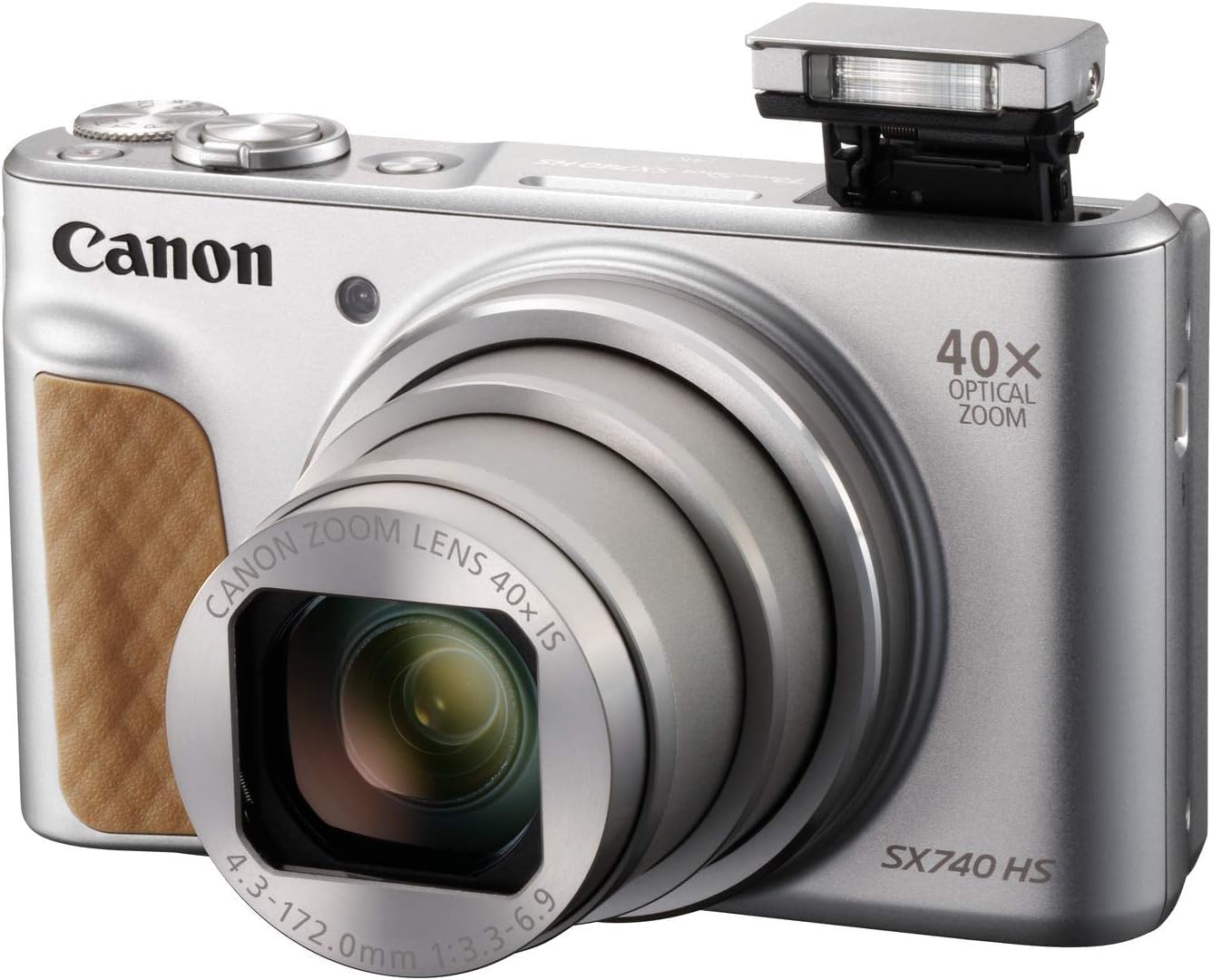
In the world of compact digital cameras, finding the perfect balance between powerful zoom, high-quality imaging, and portability can be a challenge. Enter the Canon Powershot SX740, a camera that has garnered significant attention from travel photographers and content creators alike. This model promises to pack a massive 40x optical zoom into a body that can slip into your jacket pocket, all while offering 4K video capabilities. But does it live up to the hype? This comprehensive guide will delve into every aspect of the SX740, from its core specifications to real-world performance, helping you decide if it's the right tool for your photographic adventures.
Unpacking the Canon Powershot SX740: Key Features and Specs
At its heart, the Canon Powershot SX740 HS is built around a 20.3-megapixel CMOS sensor paired with Canon's powerful DIGIC 8 image processor. This combination is the engine behind its performance, enabling features like high-speed continuous shooting and enhanced low-light capability. The star of the show is undoubtedly the 40x Optical Zoom lens (24-960mm equivalent), which brings distant subjects remarkably close without sacrificing image clarity, thanks to Canon's Optical Image Stabilizer. For videographers, the ability to shoot uncropped 4K video at 30fps is a major selling point, especially in this compact form factor. Additional features include built-in Wi-Fi and Bluetooth for easy sharing, a 3.0-inch tilting LCD screen for creative framing, and a variety of automatic and manual shooting modes.
Who is the Canon SX740 Best For?
The Powershot SX740 is not a one-size-fits-all camera, but it excels in specific scenarios. It is an ideal choice for the avid traveler who wants a single, lightweight camera to capture everything from sweeping landscapes to architectural details and wildlife sightings without carrying multiple lenses. Family vacationers will appreciate the zoom for capturing candid moments from a distance at events or parks. Hikers and outdoor enthusiasts benefit from its portability and long reach. It also serves as a powerful secondary camera for vloggers or smartphone users seeking a significant upgrade in zoom and video quality without stepping into the complex world of interchangeable lens systems. However, professional photographers needing extensive manual controls or ultra-wide apertures might find its limitations.
In-Depth Performance Analysis: Image Quality, Zoom, and Video
Image Quality in Various Conditions
In good lighting, the Canon SX740 produces vibrant, detailed images with accurate colors straight out of the camera. The 20.3MP sensor provides ample resolution for large prints and cropping. The Auto mode is remarkably intelligent, making it a point-and-shoot dream. However, like most small-sensor cameras, it faces challenges in low light. While the DIGIC 8 processor does a commendable job keeping noise in check at lower ISOs (up to 800), images can become soft and noisy at higher sensitivities. Using the flash or finding stable support for slower shutter speeds is recommended for indoor or night photography.
The Power of the 40x Optical Zoom
The 40x zoom is the SX740's party trick, and it performs impressively. The lens is sharp at the wide end and maintains good detail through the mid-range zoom. At the full 960mm telephoto extreme, some softness is expected, but the image stabilization (IS) is crucial here. Canon's Optical IS does an excellent job minimizing handshake, allowing for usable handheld shots even at maximum zoom. For the best results at full telephoto, using a faster shutter speed or bracing the camera against a solid object is advised. The zoom assist function, which temporarily widens the view to help you refind your subject, is a thoughtful and practical feature.
4K Video and Vlogging Capabilities
The 4K video quality is a standout feature for a camera in this class. The footage is detailed and crisp, with good color reproduction. The fact that the 4K is uncropped (using the full sensor width) is a significant advantage over many competitors. The tilting screen is perfect for framing selfies or vlogging shots. However, aspiring vloggers should note a key limitation: the lack of an external microphone input. This means you're reliant on the built-in stereo mic, which can pick up wind noise and lacks professional audio quality. For casual travel videos and family memories, it's more than sufficient, but serious content creators might miss that flexibility.
Design, Handling, and User Experience
Canon has mastered the art of crafting ergonomic compact cameras. The SX740 feels solid and well-built, with a comfortable grip that makes one-handed shooting possible. The control layout is intuitive, with a mode dial on top and a rear control ring surrounding the four-way controller. The 3-inch LCD screen is bright and clear, and its 180-degree upward tilt is perfect for self-portraits. While there is no viewfinder, which can be a challenge in bright sunlight, the screen's performance is generally good. The menu system is classic Canon—logical and easy to navigate, whether you're a beginner adjusting scene modes or an enthusiast tweaking manual settings.
Connectivity and Sharing
In today's connected world, the built-in Wi-Fi and Bluetooth are essential. Pairing the camera with the Canon Camera Connect app on your smartphone is straightforward. This allows you to transfer images and videos quickly for instant social media sharing, use your phone as a remote live view shutter release (great for group shots or long exposures), and even add GPS location data to your photos from your phone. The seamless integration enhances the overall user experience, making the workflow from capture to share incredibly efficient.
Comparing the SX740: Strengths and Considerations
When stacked against its main competitor, the Sony Cyber-shot HX99, the Canon holds its own with superior 4K video (uncropped) and a more traditional, user-friendly menu system. The Sony offers a touchscreen and a pop-up electronic viewfinder (EVF), which are notable advantages. The key consideration for buyers is priority: if 4K video and a longer zoom are top priorities, the SX740 is compelling. If having an EVF and a touch interface are more critical, the Sony may be the better choice. It's also worth comparing it to its predecessor, the SX730. The SX740's major upgrades are the DIGIC 8 processor (enabling 4K video and faster performance) and Bluetooth connectivity, making it a worthwhile update.
Final Verdict: Is the Canon Powershot SX740 Worth It?
The Canon Powershot SX740 HS is a highly capable and specialized tool that delivers on its core promise: extraordinary zoom in a genuinely portable package, now augmented with very good 4K video. It is not without compromises—low-light performance is average, and the lack of microphone input or a viewfinder may deter some users. However, for its target audience—travelers, families, and hobbyists who value reach and convenience above all else—it remains one of the best options on the market. It embodies the Powershot series' ethos of making powerful photography accessible. If your photography dreams involve bringing far-away subjects close without hauling a heavy bag, the Canon SX740 should be at the top of your list.
Pro Tips for Getting the Most Out of Your SX740
To elevate your shots, explore the camera's manual modes (P, Tv, Av, M). Using Aperture Priority (Av) to control depth of field can add a professional touch. For sharp telephoto shots, enable the "Zoom Framing Assist" and consider using a mini-tripod. When shooting 4K video, invest in a small variable ND filter to maintain cinematic motion blur in bright light. Finally, regularly explore the Creative Filters and Hybrid Auto mode, which creates a short highlight video of your day's shooting—a fantastic feature for travel memories. By mastering these features, you'll move beyond simple snapshots and truly unlock the potential of this versatile SX740 camera.


