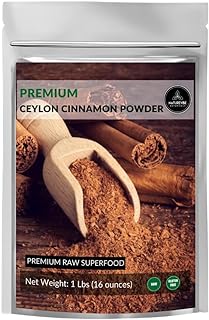
In the world of spices, few names evoke as much intrigue and confusion as cinnamon. While most people are familiar with the warm, sweet spice found in grocery stores, true connoisseurs and health enthusiasts seek out a specific variety: Ceylon Cinnamon. Often hailed as "true cinnamon," this delicate spice from Sri Lanka (formerly Ceylon) is not just a culinary ingredient but a treasure trove of health benefits and historical significance. Unlike its more common cousin, Cassia cinnamon, Ceylon cinnamon boasts a subtler, more complex flavor profile and a significantly lower concentration of coumarin, a compound that can be harmful in large doses. This comprehensive guide will delve into everything you need to know about this prized spice, from its unique characteristics and proven health advantages to practical tips for incorporating it into your daily life and ensuring you're buying the real deal.
What is Ceylon Cinnamon? Defining "True Cinnamon"
Ceylon cinnamon, scientifically known as *Cinnamomum verum* or *Cinnamomum zeylanicum*, is the inner bark of a small evergreen tree native to Sri Lanka. Its history is as rich as its flavor, having been traded along ancient spice routes and valued by civilizations from Egypt to Rome. The harvesting process is meticulous and often done by hand. Thin layers of inner bark are carefully peeled, dried, and rolled into the characteristic multi-layered, paper-thin quills or sticks. This labor-intensive method contributes to its higher price point compared to Cassia. The key visual differentiator is the structure: Ceylon cinnamon sticks are comprised of many thin, fragile layers that crumble easily, resembling a rolled-up cigar. In contrast, Cassia sticks are typically a single, thick, hard layer of bark rolled into a hollow tube. Understanding this distinction is the first step in appreciating and sourcing authentic Ceylon Cinnamon.
Ceylon Cinnamon vs. Cassia: The Critical Differences
Most cinnamon sold in North American supermarkets is actually Cassia cinnamon (*Cinnamomum cassia*), which originates from China, Indonesia, and Vietnam. While both provide a cinnamon flavor, the differences are substantial and important for both culinary and health reasons.
Flavor and Aroma
Ceylon cinnamon offers a delicate, sweet, and citrusy flavor with subtle floral notes. It's less pungent and hot than Cassia, making it ideal for dishes where a nuanced spice profile is desired, such as in desserts, light curries, or beverages. Cassia, on the other hand, has a stronger, more robust, and slightly bitter taste with a sharper heat, which is why it's often preferred for bold, spiced recipes like pumpkin pie or mulled wine.
Coumarin Content: The Health Safety Factor
This is the most significant difference. Cassia cinnamon contains high levels of coumarin—approximately 1% of its weight. Coumarin can cause liver damage and other health issues when consumed in large quantities over time. The European Food Safety Authority has set a tolerable daily intake (TDI) for coumarin. Ceylon cinnamon contains only trace amounts of coumarin (about 0.004% or less), making it the safe choice for regular consumption, especially for those who enjoy cinnamon daily in their coffee, oatmeal, or smoothies.
Physical Appearance
As mentioned, Ceylon quills are multi-layered, tan-brown in color, and fragile. When ground, it produces a finer, lighter brown powder. Cassia sticks are hard, hollow, dark reddish-brown, and consist of a single thick layer. Its ground form is darker and coarser.
The Proven Health Benefits of Ceylon Cinnamon
The reputation of Cinnamon, particularly the Ceylon variety, as a health-promoting spice is backed by a growing body of scientific research. Its benefits are largely attributed to its potent antioxidants, such as polyphenols, and bioactive compounds like cinnamaldehyde.
Powerful Antioxidant and Anti-Inflammatory Properties
Ceylon cinnamon is loaded with antioxidants that protect your body from oxidative damage caused by free radicals. Studies have shown it has one of the highest antioxidant activities of any spice. These antioxidants also help reduce inflammation, which is at the root of many chronic diseases, including heart disease and certain cancers.
Supports Heart Health
Regular consumption has been linked to improved markers of heart health. Research indicates it can help reduce levels of total cholesterol, LDL ("bad") cholesterol, and triglycerides, while potentially raising HDL ("good") cholesterol. It may also help lower blood pressure, contributing to overall cardiovascular protection.
Improves Insulin Sensitivity and Blood Sugar Control
This is one of its most celebrated benefits. Ceylon cinnamon can mimic the action of insulin and increase insulin sensitivity at the cellular level. Multiple studies, including meta-analyses, have found that cinnamon supplementation can significantly lower fasting blood sugar levels in people with type 2 diabetes or prediabetes. Adding a teaspoon to your diet daily can be a simple supportive strategy for metabolic health.
Neuroprotective and Cognitive Benefits
Emerging research suggests that the compounds in cinnamon may inhibit the buildup of tau protein in the brain, a hallmark of Alzheimer's disease. It may also help protect neurons, improve motor function, and act as a cognitive booster, though more human studies are needed in this promising area.
Antimicrobial and Antifungal Effects
Cinnamaldehyde, the main active component, has been shown to fight various bacterial and fungal infections, including those caused by *E. coli* and *Candida albicans*. This makes it a valuable natural preservative in foods and a potential supportive agent for oral health.
Culinary Uses: How to Cook and Bake with Ceylon Cinnamon
Its delicate nature means Ceylon cinnamon shines best in applications where its subtlety won't be overpowered. Here are some classic and creative ways to use it:
- Beverages: Stir a pinch into your coffee, hot chocolate, chai tea, or golden milk latte. It dissolves beautifully and adds a warm, sweet note without bitterness.
- Breakfast: Sprinkle over oatmeal, yogurt, smoothie bowls, or fresh fruit. It pairs exceptionally well with apples, bananas, and pears.
- Desserts: Use it in custards, puddings, rice pudding, flans, and light cakes. It's perfect for French toast, crème brûlée, and apple crisps where you want the fruit flavor to remain prominent.
- Savory Dishes: Add a stick to slow-cooked stews, biryanis, Moroccan tagines, or curry bases. It imparts a warm depth without dominating the dish.
- Spice Blends: It's a key component in garam masala and many Middle Eastern spice mixes.
Pro Tip: For the fullest flavor, buy whole Ceylon cinnamon quills and grind them yourself using a spice grinder or mortar and pestle as needed. Pre-ground cinnamon loses its potency and volatile oils much faster.
How to Identify and Source Authentic Ceylon Cinnamon
With the prevalence of Cassia, knowing how to spot real Ceylon cinnamon is crucial. Follow this buyer's guide:
- Check the Label: Look for the scientific name (*Cinnamomum verum* or *zeylanicum*) or the specific origin "Sri Lanka." Terms like "Indonesian cinnamon" or "Saigon cinnamon" are Cassia.
- Examine the Sticks: Authentic sticks are thin, layered, and break easily like a cigar. They have a tan-brown hue. Cassia sticks are thick, hard, hollow, and dark red-brown.
- The "Float Test": A traditional test involves placing a small piece of cinnamon in a glass of water. Pure Ceylon cinnamon will typically unroll and sink, while Cassia will often float or remain rigid. This isn't foolproof but can be indicative.
- Taste and Smell: Ceylon has a mild, sweet, almost citrusy aroma. Cassia smells much stronger and sharper.
- Buy from Reputable Sources: Purchase from specialty spice retailers, health food stores, or trusted online vendors who are transparent about their sourcing. Be wary of unusually cheap prices, as true Ceylon cinnamon commands a premium due to its cultivation and processing.
FAQs About Ceylon Cinnamon
Q: How much Ceylon cinnamon can I safely consume per day?
A: Due to its negligible coumarin content, 1-2 teaspoons (about 2-4 grams) of ground Ceylon cinnamon per day is generally considered safe for most adults. Always consult with a healthcare provider if you have specific health conditions or are on medication.
Q: Can I use Ceylon cinnamon in place of Cassia in any recipe?
A> You can substitute it 1:1, but be aware the flavor will be milder and less pungent. For recipes that rely on a strong cinnamon punch (like gingerbread), you might want to use a slightly larger quantity of Ceylon or add a complementary spice like allspice.
Q: Does it help with weight loss?
A> While not a magic bullet, its ability to help regulate blood sugar and insulin can reduce cravings and support a balanced metabolism, which may aid weight management efforts as part of a healthy diet and exercise regimen.
Q: How should I store it?
A> Store whole quills or ground powder in an airtight container in a cool, dark, dry place—away from heat, light, and moisture. Whole quills retain their flavor and potency for about a year, while ground cinnamon is best used within 6 months.
Conclusion: Embracing the True Essence of Cinnamon
Ceylon cinnamon is more than just a spice; it's a testament to quality, tradition, and holistic well-being. By choosing Ceylon Cinnamon over the common Cassia variety, you're not only opting for a superior, more complex flavor for your culinary creations but also making a conscious choice for your long-term health. Its low coumarin content allows for daily enjoyment without concern, unlocking a world of antioxidant, anti-inflammatory, and blood-sugar regulating benefits. Start by sourcing a small quantity from a reputable seller, experiment with adding it to your morning routine, and experience the delicate difference of true cinnamon. Your taste buds and your body will thank you for making this simple yet impactful upgrade to your spice cabinet.