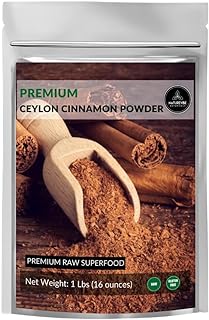
For many home cooks and health enthusiasts, cinnamon is a pantry staple. But did you know there are two main types, and one is significantly superior in both flavor and health profile? The common "cassia" cinnamon found in most grocery stores is a far cry from the prized Ceylon cinnamon, often called "true cinnamon." Understanding this difference is crucial for anyone looking to maximize the benefits of this ancient spice.
This guide will delve deep into the world of Ceylon Cinnamon, exploring its unique properties, health advantages, and versatile uses. We'll also provide practical tips on how to identify and source high-quality cinnamon, ensuring you get the most out of this wonderful spice.
What is Ceylon Cinnamon? The "True" Cinnamon
Ceylon cinnamon (*Cinnamomum verum*) originates from Sri Lanka (formerly Ceylon) and parts of Southern India. It is characterized by its delicate, sweet, and complex flavor with citrusy notes. The bark is thin, fragile, and forms multiple quills (layers), resembling a cigar. This fragility is a hallmark of its authenticity.
In contrast, Cassia cinnamon (*Cinnamomum cassia*), commonly sold as just "cinnamon," is thicker, harder, and has a single, rolled quill. Its flavor is stronger, more pungent, and slightly bitter. While Cassia is less expensive, it contains high levels of coumarin, a compound that can be toxic to the liver and kidneys in large, regular doses.
Key Health Benefits of Choosing Ceylon Cinnamon
The primary reason to choose Ceylon over Cassia is its superior safety profile and enhanced health benefits, backed by a growing body of research.
1. Low Coumarin Content
This is the most critical distinction. Ceylon cinnamon contains only trace amounts of coumarin (about 0.004%), whereas Cassia can contain up to 5%. Regular consumption of Cassia, especially in supplements or large culinary quantities, can easily exceed the tolerable daily intake, posing health risks. Choosing Ceylon cinnamon allows you to enjoy cinnamon daily without this concern.
2. Potent Antioxidant and Anti-inflammatory Properties
Both types contain beneficial compounds, but Ceylon is rich in antioxidants like polyphenols. These compounds help combat oxidative stress in the body, reducing inflammation—a root cause of many chronic diseases. Incorporating healthy spices like this into your diet is a simple way to boost your antioxidant intake.
3. Blood Sugar Regulation
Studies suggest cinnamon can improve insulin sensitivity and help lower blood sugar levels. While more research is often done on Cassia due to its higher concentration of certain compounds, using the safer Ceylon variety consistently is a wise long-term strategy for metabolic health.
4. Supports Heart Health
Research indicates cinnamon may help reduce levels of total cholesterol, LDL ("bad") cholesterol, and triglycerides, while maintaining HDL ("good") cholesterol. This lipid-modulating effect, combined with its anti-inflammatory properties, contributes to better cardiovascular health.
Culinary Uses: Where Ceylon Cinnamon Shines
The delicate, sweet flavor of Ceylon cinnamon powder makes it incredibly versatile. It's not just for dusting on lattes!
- Baking: Perfect for delicate pastries, cookies, and cakes where a subtle, sweet spice is desired. It won't overpower other flavors. Explore our collection of baking spices for more inspiration.
- Beverages: The classic choice for chai tea, hot chocolate, smoothies, and mulled wine.
- Breakfast: A sprinkle on oatmeal, yogurt, or fruit adds warmth and sweetness without refined sugar.
- Savory Dishes: Its complexity works wonderfully in Moroccan tagines, Indian curries, and Middle Eastern rice dishes.
How to Identify and Choose High-Quality Ceylon Cinnamon
With the prevalence of Cassia, knowing how to select true Ceylon Cinnamon is essential.
Visual and Textural Clues:
Stick Form: Ceylon quills are thin, brittle, and have multiple layers of soft bark that crumble easily. They often look like a rolled-up parchment. Cassia sticks are thick, hard, and consist of a single, tough layer.
Powder Form: Ceylon cinnamon powder has a lighter, tan-brown color and a fine, soft texture. Cassia powder is darker reddish-brown and feels slightly grittier.
Labeling and Sourcing:
Always look for labels that specify "Ceylon" or "Cinnamomum verum." Terms like "Indonesian cinnamon," "Saigon cinnamon," or just "cinnamon" typically refer to Cassia varieties. Prioritize brands that are transparent about their sourcing.
The Importance of Organic and Non-GMO:
Spices can be heavily sprayed with pesticides. Choosing an organic cinnamon ensures you're not ingesting these harmful residues. Similarly, selecting Non-GMO spices supports sustainable and natural agriculture. A product like Simply Organic's Ceylon Ground Cinnamon reliably meets these criteria, offering pure, ground cinnamon from verifiable sources.
Common Myths and Mistakes to Avoid
Let's clear up some widespread confusion about cinnamon.
Myth 1: "All cinnamon is created equal." As we've detailed, the coumarin and flavor differences are significant. For daily use, Ceylon is the only safe choice.
Myth 2: "The stronger the smell, the better the cinnamon." Cassia has a stronger, more pungent aroma due to its higher cinnamaldehyde content, but this doesn't equate to better quality or health benefits. Ceylon's subtle, sweet aroma is a mark of its authenticity.
Mistake: Storing cinnamon for years. Like all spices, cinnamon loses its potency over time. Ground cinnamon is best used within 6 months to a year for optimal flavor and antioxidant benefit. Store it in a cool, dark, dry place in an airtight container.
Incorporating Ceylon Cinnamon into a Healthy Lifestyle
Making the switch to Ceylon cinnamon is a simple upgrade with profound implications. Start by replacing your current cinnamon with a verified Ceylon product. Use it in your morning routine, in homemade desserts, and to experiment with new savory recipes.
By understanding the difference between Ceylon and Cassia, you empower yourself to make informed choices for your health and your palate. Opting for a high-quality, organic source like the one from Simply Organic ensures you reap all the benefits of this remarkable "true cinnamon" without any of the downsides associated with its common counterpart. Your recipes—and your body—will thank you for the upgrade.