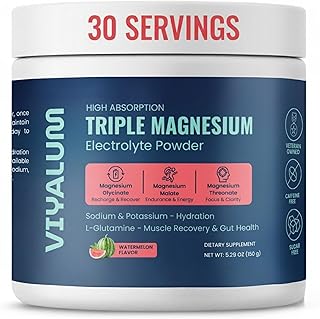
In the bustling world of nootropics and cognitive enhancers, one mineral compound has risen to prominence for its targeted brain benefits: Magnesium Threonate. Unlike standard magnesium supplements, this specific form is uniquely engineered to cross the blood-brain barrier, delivering magnesium directly to the brain's synapses. This article delves deep into the science, benefits, and practical applications of Magnesium Threonate, helping you understand why it's become a cornerstone for those seeking to support memory, learning, and overall cognitive longevity.
What is Magnesium Threonate?
Magnesium L-threonate, often simply called Magnesium Threonate, is a patented compound created by bonding magnesium to threonic acid, a metabolite of vitamin C. This specific chelation is the key to its unique properties. Developed by researchers at MIT, including Nobel laureate Dr. Susumu Tonegawa, its primary design goal was to effectively elevate magnesium levels in the brain—a feat that other common forms like magnesium citrate or oxide struggle to achieve. The result is a supplement that directly influences the very structures responsible for learning and memory.
The Science of Synaptic Plasticity and Magnesium
Cognitive function hinges on synaptic plasticity—the brain's ability to strengthen or weaken connections between neurons in response to experience. This process is fundamental for memory formation and learning. Magnesium acts as a crucial gatekeeper for NMDA receptors, which are essential for synaptic plasticity. However, as we age or under stress, brain magnesium levels can decline. Magnesium Threonate is specifically formulated to replenish these levels, thereby supporting the density and function of synapses in critical brain regions like the hippocampus and prefrontal cortex.
Key Research Findings on Cognitive Benefits
Peer-reviewed studies highlight the potential of Magnesium Threonate. A landmark 2010 study in the journal *Neuron* demonstrated that elevating brain magnesium with this compound led to enhanced learning abilities, improved working memory, and better short- and long-term memory in both young and aged rats. Human trials have followed, with a 2016 randomized controlled trial showing that older adults with cognitive impairment experienced significant improvements in executive function, working memory, and episodic memory after taking Magnesium Threonate compared to a placebo. These studies form the bedrock of its reputation in the nootropics community.
Primary Benefits and Who Should Consider It
The targeted action of Magnesium Threonate translates to several key benefits. Users and research point to support for age-related memory decline, enhanced learning capacity, improved focus and attention, and support for healthy sleep patterns—which indirectly benefits cognitive function. It's particularly relevant for aging adults noticing subtle cognitive shifts, students or professionals in demanding learning environments, and anyone following a brain-healthy lifestyle who wants to address the specific challenge of maintaining optimal brain magnesium levels.
Comparing Magnesium Threonate to Other Forms
It's vital to understand that not all magnesium is created equal. While forms like magnesium glycinate are excellent for promoting relaxation and muscle recovery, and citrate is often used for digestive health, their ability to significantly raise cerebrospinal fluid magnesium levels is limited. Magnesium Threonate's unique molecular structure gives it a distinct advantage for cognitive goals. Think of it as a specialized tool: for overall bodily magnesium repletion, a broad-spectrum supplement might be useful, but for targeted brain health support, Threonate is the form backed by specific neuroscience research.
How to Use Magnesium Threonate Effectively
Typaily, Magnesium Threonate supplements suggest a divided dosage, often totaling 1,500-2,000 mg of Magnesium L-Threonate (which provides a specific amount of elemental magnesium) per day. Consistency is key, as benefits are related to sustained elevation of brain magnesium levels over weeks. It is commonly taken with meals to enhance tolerance. While generally well-tolerated, some individuals may experience mild digestive effects or vivid dreams initially. As with any supplement, consulting a healthcare provider is advised, especially for those with kidney conditions or who are on medications.
Integrating into a Holistic Brain Health Regimen
For optimal results, Magnesium Threonate should not be viewed as a magic pill but as a powerful component of a broader strategy. Its effects can be synergistic with other cognitive support practices. This includes regular aerobic exercise, which boosts BDNF (brain-derived neurotrophic factor), a nutrient-rich diet high in antioxidants and omega-3s, quality sleep hygiene, and stress management techniques like meditation. Combining these lifestyle pillars with targeted supplementation creates a robust foundation for long-term cognitive resilience.
Conclusion: A Targeted Tool for Cognitive Vitality
Magnesium Threonate represents a significant advancement in nutritional neuroscience. By addressing the specific challenge of declining brain magnesium—a factor linked to age-related cognitive change—it offers a research-backed, targeted approach to supporting memory and learning. Whether you're looking to sharpen mental clarity, support your brain as you age, or simply optimize your cognitive toolkit, understanding this unique form of magnesium is a smart step. Its role in promoting synaptic density and plasticity makes it a valuable, science-driven ally in the pursuit of lifelong brain health and memory support.