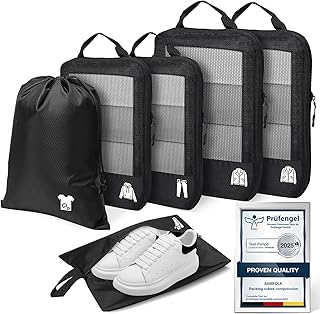
For the modern traveler, efficiency is everything. The quest to pack more into less space, stay organized on the go, and arrive with wrinkle-free clothes is a common challenge. Enter the game-changer: compression packing cubes. These aren't your average organizers; they are a systematic solution to chaotic suitcases. This comprehensive guide will delve into why compression cubes have become a non-negotiable item for savvy travelers, how to use them effectively, and how they compare to other packing methods.
What Are Compression Packing Cubes and How Do They Work?
At their core, compression packing cubes are fabric containers, typically made from lightweight yet durable nylon or polyester, with a two-sided zipper system. One zipper closes the cube normally, sealing your items inside. The second, often a double-slider zipper, is the magic key. When engaged, it compresses the cube by pushing out excess air and compacting the contents, sometimes reducing volume by up to 50% or more. This simple mechanical action is far more reliable and gentle on fabrics than vacuum bags, making them ideal for frequent use.
The Unbeatable Benefits of Using Compression Cubes
Maximize Every Inch of Luggage Space
The primary appeal is undeniable: space savings. By compressing soft items like clothing, you can fit significantly more into your carry-on or checked bag. This can mean packing for a longer trip without upgrading your luggage, or simply having extra room for souvenirs. Efficient space use is the cornerstone of smart travel, and compression cubes deliver it reliably.
Unparalleled Organization and Accessibility
Gone are the days of digging through a piled-high suitcase for a pair of socks. With cubes, you can categorize your belongings logically—one for tops, one for bottoms, one for underwear and socks, and one for accessories. When you arrive at your destination, you can often transfer the cubes directly into a hotel drawer, keeping everything tidy. This system transforms packing and unpacking from a chore into a quick, streamlined process.
Reduce Wrinkles and Protect Your Clothes
By keeping garments flat and secure within a confined space, compression cubes minimize shifting and friction during transit. This results in fewer wrinkles compared to loose items tumbling freely in a suitcase. Furthermore, they act as a protective layer, keeping clean clothes separate from shoes or toiletries that might leak.
Choosing the Right Compression Packing Cubes: A Buyer's Guide
Not all cubes are created equal. When selecting a set, consider the material's durability and weight. Look for sturdy zippers that glide smoothly, as they are the most critical moving part. Mesh panels are excellent for ventilation and visibility, allowing you to see contents at a glance. Sizing is also crucial; a good set typically includes a variety of sizes (large, medium, small) to accommodate different item types. For those seeking the pinnacle of organization, exploring specialized options like compression packing cubes designed for specific travel styles can be worthwhile.
Common Mistakes and How to Avoid Them
Over-Compressing and Over-Packing
The most frequent error is treating compression like a contest. Over-stuffing a cube before compression can strain the zippers and fabric, leading to premature failure. It can also create deep, stubborn wrinkles. The key is to fold or roll items neatly, fill the cube to about 80-90% capacity, then compress. The goal is efficient packing, not herculean force.
Poor Categorization Strategy
Randomly throwing items into any available cube defeats the purpose. Plan your categories based on your itinerary. For example, pack a complete day's outfit in one small cube, or group all workout gear together. This situational organization saves time throughout your trip.
Ignoring Weight Distribution
While cubes save space, they don't reduce weight. Be mindful that compressing more items into your bag can easily push it over airline weight limits. Always weigh your luggage after packing with cubes to avoid surprise fees at the airport.
Compression Cubes vs. Standard Packing Cubes vs. Vacuum Bags
It's important to understand the landscape. Standard packing cubes offer organization without compression—great for those who don't need to maximize space. Vacuum bags remove air via a pump or vacuum cleaner, offering the highest compression but often at the cost of increased wrinkling and bulk when not in use. Compression packing cubes strike the ideal balance, providing significant space savings with minimal hassle and fabric care, making them the most versatile choice for most travelers.
Pro Packing Method: Combining Techniques
For the ultimate packed bag, combine compression cubes with other methods. Use the bundle wrapping technique for dress shirts or blazers to prevent wrinkles, then place them flat in a large compression cube. Roll softer items like t-shirts and jeans, which compress beautifully, and place them in a medium cube. This hybrid approach leverages the strengths of multiple techniques.
Conclusion: Elevate Your Travel Experience
Investing in a quality set of compression packing cubes is an investment in stress-free travel. They solve multiple pain points simultaneously: saving space, enforcing organization, and protecting your wardrobe. Whether you're a frequent business flyer, a family going on vacation, or a backpacker navigating hostels, integrating these tools into your routine will fundamentally change how you pack. Start your journey to neater, more efficient travel by exploring how the right organizers can work for you.