Few household pests inspire as much immediate disgust and urgency to eliminate as the cockroach. These resilient insects are not just a nuisance; they can pose significant health risks by contaminating food and surfaces. If you're searching for a roach killer, you're likely in the midst of this battle. But with shelves lined with gels, baits, sprays, and traps, how do you choose the right weapon? This ultimate guide will break down everything you need to know about roach killers, from how they work to which is best for your specific infestation.
Understanding Your Enemy: Why Roaches Are So Tough
Before selecting a roach killer, it helps to understand what you're up against. Cockroaches are survival experts. They can live for weeks without food, survive for a week without their heads, and some species can even hold their breath for 40 minutes. Their rapid breeding cycles mean a small problem can become a full-blown infestation in a matter of weeks. This resilience is precisely why a haphazard approach to elimination often fails. Effective control requires a strategic understanding of their biology and behavior.
The Arsenal: Types of Roach Killers Explained
The market offers a variety of roach control products, each with distinct mechanisms. Choosing the right one depends on the severity of your infestation, the location of the roaches, and safety concerns, especially around children and pets.
1. Roach Baits and Gels
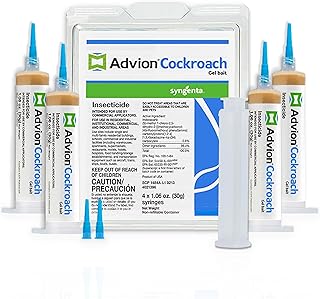
Often considered the gold standard for professional and DIY eradication, baits and gels are slow-acting poisons mixed with attractive food. Roaches consume the bait and return to their nesting sites, where they die and are often cannibalized by other roaches, spreading the poison throughout the colony. This "domino effect" makes baits incredibly effective for tackling hidden nests. Popular active ingredients include Fipronil, Hydramethylnon, and Indoxacarb. For a concentrated and effective gel formulation, many turn to a professional-grade roach killer gel, which can be applied in tiny dots in cracks, crevices, and behind appliances.
2. Insecticide Sprays
Sprays offer immediate knockdown, killing roaches on contact. They are useful for treating visible roaches or creating a protective barrier around entry points. However, they have significant drawbacks. Sprays often repel roaches, driving them deeper into walls, and they do little to affect the hidden colony. Their effectiveness is also temporary. Furthermore, the airborne mist can be a concern for air quality and safety. They are best used as a supplement to a baiting strategy, not as a standalone solution.
3. Roach Traps and Monitors
Sticky traps don't contain poison but use a strong adhesive to capture roaches that wander onto them. They are non-toxic, making them safe for use anywhere. Their primary value is in monitoring. Placing traps in various locations helps you identify the severity of an infestation and pinpoint high-traffic areas, allowing you to target your bait or spray applications more effectively. They are a crucial diagnostic tool but not a complete eradication method.
4. Dusts and Powders (e.g., Boric Acid, Diatomaceous Earth)
These desiccant dusts work by absorbing the waxy coating on a roach's exoskeleton, causing them to dehydrate and die. Boric acid is a classic, low-toxicity option for humans and pets when used correctly, but it must be applied as a fine, invisible film in void spaces. Diatomaceous earth is a natural, non-toxic powder made from fossilized algae. Both are long-lasting and effective when roaches walk through them, but they work slowly and require precise, light application to be effective.
5. Insect Growth Regulators (IGRs)
IGRs are sophisticated chemicals that mimic insect hormones, disrupting the roach life cycle. They prevent nymphs from maturing into breeding adults and can sterilize adult roaches. IGRs don't kill quickly but are excellent for long-term population control. They are often used in combination with baits for a comprehensive "kill now, prevent later" strategy.
Choosing the Best Roach Killer: A Situational Guide
So, which product should you use? Here's a quick decision matrix based on common scenarios:
- Heavy, Established Infestation: A combination approach is key. Start with a high-quality gel bait like a professional roach killer to attack the colony, supplemented by IGRs to break the breeding cycle. Use monitors to track progress.
- Light Infestation or Prevention: Gel baits placed in strategic locations (under sinks, behind fridge) or desiccant dusts in wall voids can provide effective, ongoing control.
- Infestation with Kids/Pets: Prioritize baits placed in enclosed bait stations, sticky traps, and diatomaceous earth in inaccessible areas. Avoid broadcast sprays.
- Seeing Roaches But Can't Find the Nest: This is the perfect scenario for gel baits. Roaches will find the bait and carry it back to their hidden harborage sites for you.
Critical Safety Tips When Using Roach Killers
Effectiveness should never come at the cost of safety. Always read and follow the label instructions meticulously. Here are universal safety rules:
- Keep Away from Children and Pets: Store all products in locked cabinets. Even "non-toxic" traps can be a choking hazard or cause intestinal blockage if ingested.
- Targeted Application: Apply poisons only in areas inaccessible to non-target organisms. For baits, use small dots in cracks or inside bait stations. Never spray over countertops, dishes, or pet bowls.
- Ventilation: When using sprays or dusts, ensure the area is well-ventilated. Wear a mask if applying large amounts of dust.
- Food Safety: Remove or cover all food, utensils, and food preparation surfaces before applying any product. Wash any exposed surfaces thoroughly afterward.
- Dispose of Containers Properly: Follow local guidelines for disposing of pesticide containers. Do not pour leftover chemicals down the drain.
Common Mistakes That Undermine Your Efforts
Even with the best roach killer product, execution matters. Avoid these pitfalls:
- Over-Applying Sprays: This creates repellent barriers that scatter roaches and can create pesticide resistance.
- Placing Baits in the Open: Roaches are thigmotactic (they prefer touching surfaces). Place baits along edges, in corners, and deep inside cracks where they feel safe.
- Ignoring Sanitation: No poison can compete with an abundant food source. Eliminate accessible food (crumbs, grease, pet food), water (leaky faucets), and shelter (clutter, cardboard boxes).
- Giving Up Too Soon: The life cycle of a roach can be 100 days. You may kill adults but eggs can hatch later. Consistent monitoring and reapplication of baits for 2-3 months is often necessary for complete control.
When to Call a Professional Exterminator
DIY methods are powerful, but some situations warrant professional help. Consider calling an exterminator if:
- The infestation is severe and widespread, especially in multi-unit dwellings.
- You have recurring infestations despite diligent DIY efforts.
- You are dealing with a species known to be particularly difficult, like German cockroaches.
- You have health concerns that make pesticide application risky.
Professionals have access to stronger formulations, specialized equipment, and the expertise to locate harborage sites and implement a multi-phase attack plan.
Conclusion: A Strategic, Patient Approach Wins the War
Winning the war against roaches is less about a single magic product and more about a sustained, intelligent strategy. The most effective approach combines a high-quality, colony-targeting product like a gel roach killer with impeccable sanitation and patient monitoring. By understanding the types of killers available, applying them safely and correctly, and avoiding common mistakes, you can reclaim your home from these persistent pests. Remember, consistency is key—persistence will ultimately break their breeding cycle and lead you to a roach-free environment.


