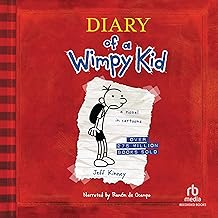
For over a decade, Jeff Kinney's Diary of a Wimpy Kid series has been a cornerstone of children's literature, captivating millions of young readers with the hilariously relatable misadventures of Greg Heffley. The latest installment, officially titled Big Shot: (Book 16) but widely anticipated as Diary of a Wimpy Kid Hot Mess, continues this legacy. As a seasoned reviewer of middle-grade fiction, I've seen countless series come and go, but Kinney's unique blend of simple cartoons and cringe-worthy comedy consistently hits the mark. In this comprehensive review, we'll dive into whether Greg's sixteenth outing lives up to the hype and why it remains a bestselling children's series.
What is Diary of a Wimpy Kid Hot Mess (Big Shot Book 16) About?
The central plot of Big Shot revolves around Greg Heffley's foray into the world of sports—specifically, basketball. After a disastrous attempt at wrestling in a previous book, Greg's mom encourages him to try a new athletic endeavor. True to form, Greg approaches basketball not with dreams of glory, but with his signature blend of laziness, scheming, and a desperate desire to avoid embarrassment. The "hot mess" title is a perfect descriptor for the chaos that ensues. From misguided attempts at strategy to dealing with overzealous coaches and competitive teammates, Greg's journey is less about sportsmanship and more about survival. This premise is classic Kinney, tapping into the universal childhood experience of being pushed into activities you're not entirely keen on.
Breaking Down the Humor and Appeal
Jeff Kinney's genius lies in his understanding of the middle-school psyche. The humor in Big Shot isn't just about slapstick (though there's plenty of that); it's rooted in acute social observation. Greg's internal monologue, presented through his diary entries and simple drawings, perfectly captures the anxiety of trying to fit in, the pressure of parental expectations, and the absurd logic kids use to navigate their world. As a graphic novel for kids, the format is key. The cartoons aren't just illustrations; they are integral to the jokes, often providing the punchline that the text sets up. This accessibility makes it a fantastic bridge for reluctant readers who might be intimidated by dense blocks of text.
Character Development: Is Greg Heffley Growing Up?
One common question with a long-running series is whether the protagonist evolves. In Diary of a Wimpy Kid Hot Mess, we see subtle shifts. Greg is still fundamentally self-centered and prone to taking shortcuts, but Book 16 shows faint glimmers of awareness. His interactions in a team setting force him to confront (however briefly) concepts like cooperation and shared responsibility. He doesn't become a model citizen, but his failures are slightly more nuanced. This is crucial for the series' longevity—readers who started with Book 1 are now teenagers, and seeing a hint of maturity, however small, keeps the character relatable. The supporting cast, including Rowley, Rodrick, and Greg's parents, provide the familiar foil to Greg's antics, ensuring the comedic ecosystem remains intact.
Why Big Shot Book 16 is a Perfect Fit for Its Audience
The target audience for this series is clear: children aged 8-12, particularly those who enjoy children's humor books. Big Shot delivers exactly what this demographic wants. The chapters are short, the font is large and friendly, and the cartoon-to-text ratio is high. The sports theme is a smart choice, as it's a universally understood setting for childhood triumphs and humiliations. Parents and educators will appreciate that the book encourages reading for pleasure, while kids will simply enjoy laughing at Greg's latest disaster. It's a Wimpy Kid book 16 that doesn't try to reinvent the wheel but instead polishes the formula to a shine.
How Does It Compare to Other Books in the Series?
As the sixteenth volume, Big Shot sits comfortably in the middle-to-upper tier of the series. It doesn't have the groundbreaking freshness of the original book, nor does it reach the epic family vacation chaos of The Long Haul. However, it is significantly stronger than some of the more forgettable mid-series entries. The sports plot provides a clear and cohesive structure that some past books have lacked. The humor feels consistent and well-paced. For fans wondering if the series has run out of steam, Big Shot is a reassuring answer: there are still plenty of laughs to be mined from Greg Heffley's life.
The Verdict: Should You Buy Diary of a Wimpy Kid Hot Mess?
In conclusion, Big Shot: (Book 16) is a worthy addition to the Diary of a Wimpy Kid canon. It delivers the reliable, chuckle-inducing experience that fans have come to expect. For new readers, it serves as a perfectly fine entry point, though starting from the beginning is always recommended for full character context. The book successfully captures the awkward, hilarious essence of middle school life through its unique Jeff Kinney book style. If you have a young reader in your life who enjoys humor, relatable stories, or is just looking for their next fun read, this latest volume will not disappoint. It's a testament to why this series remains a powerhouse in children's publishing—it understands its audience and delivers, book after book.
Final Thoughts and Where to Find It
Whether you call it Big Shot or refer to it by its popular fan title, Diary of a Wimpy Kid Hot Mess, this book is a solid purchase. It's ideal for birthdays, holidays, or as a reward for young readers. The themes of trying new things, dealing with failure, and finding humor in embarrassment are timeless and handled with Kinney's light touch. For collectors and dedicated fans, it's an essential piece of the series. For everyone else, it's simply a very funny book that reminds us all of the wonderfully awkward journey of growing up. The legacy of the wimpy kid continues, and we're all still laughing along.