In the bustling market of budget electric scooters, the Ridstar Q20 has emerged as a popular contender. Promising a blend of affordability, decent range, and portability, it targets urban commuters and casual riders. But does it live up to the hype, or are there hidden compromises? As someone who has tested numerous e-scooters across various price points, I've put the Q20 through its paces to give you an honest, experience-based assessment. This review will delve into its real-world performance, highlight common user pitfalls, and help you determine if this scooter is a smart buy or a potential headache.
Unboxing and First Impressions: Build Quality and Design
The Ridstar Q20 arrives partially assembled, requiring you to attach the handlebar to the stem—a straightforward process taking about 10-15 minutes. The initial feel is promising for its price bracket. The frame is constructed from aluminum alloy, which keeps the weight manageable at around 26 lbs (12 kg). The folding mechanism, a critical feature for portability, feels robust and secures with a satisfying click. The deck is covered with a textured, anti-slip surface, and the 8.5-inch pneumatic (air-filled) tires are a welcome sight, as they generally offer better shock absorption than solid tires on uneven pavement.
However, this is where our first "pitfall" warning comes in. Upon closer inspection, some users report minor issues like slightly misaligned fenders or less-than-perfect welding seams. These don't typically affect performance but are indicators of the cost-cutting measures inherent in budget scooters. It's crucial to inspect every bolt and connection during assembly and tighten them as needed. A common mistake is not checking the tire pressure immediately. The Ridstar Q20 tires often ship under-inflated, leading to a bumpier ride and increased risk of pinch flats. Always inflate them to the recommended PSI (around 45-50 PSI) before your first ride.
Performance on the Road: Speed, Power, and Hill Climbing
Powered by a 350W brushless hub motor (with a peak output of 700W), the Q20 offers adequate power for most city environments. In ideal conditions, it can reach its advertised top speed of 19-20 mph (30-32 km/h) on flat ground. Acceleration from a standstill is modest but sufficient for keeping up with urban traffic flow. The scooter features three speed modes, which is excellent for beginners who want to start slowly.
The real test for any scooter is hill climbing. The Ridstar Q20 can handle moderate inclines of around 10-15 degrees, but its speed will drop significantly. On steeper hills, it may struggle to maintain 10 mph. This is a key consideration if your commute involves any notable slopes. The braking system combines a rear disc brake and an electronic regenerative brake activated by the thumb lever. While functional, the braking distance is longer than on more premium models. I strongly advise practicing emergency stops in a safe area to get a feel for it. A frequent error riders make is relying solely on the electronic brake, which is less effective at high speeds. Always use both brakes together for the shortest stopping distance.
Battery Life and Range: Expectations vs. Reality
Ridstar advertises a maximum range of 25-28 miles (40-45 km) for the Q20. It's vital to understand that this is a "best-case scenario" figure, achieved under ideal conditions: a lightweight rider on perfectly flat, smooth terrain at a constant, low speed in warm weather. In real-world use, expect a practical range of 15-20 miles.
Several factors drastically reduce range:
- Rider Weight: Heavier riders will see reduced range and hill-climbing ability.
- Terrain: Hills, rough pavement, and frequent stops/startes consume more power.
- Speed: Consistently riding at top speed in Sport mode drains the battery much faster.
- Temperature: Lithium-ion batteries are less efficient in cold weather, potentially cutting range by 20-30%.
A major pitfall is not properly managing battery health. Always use the provided charger and avoid leaving the scooter plugged in for days on end. Try to avoid draining the battery completely to 0%; recharge when it drops to around 20-30%. Proper charging habits are the single biggest factor in prolonging the lifespan of your Q20's battery.
Ride Comfort and Safety Features
The combination of pneumatic tires and a basic, non-suspension frame means the Q20 handles small cracks and bumps reasonably well but will transmit larger imperfections directly to the rider. Your knees and ankles will act as the primary suspension. For longer rides on poor roads, this can become fatiguing.
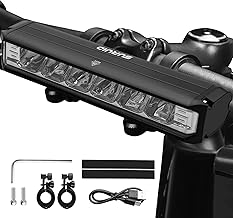
Safety is paramount. The Q20 includes a bright headlight and a rear brake light, which are essential for night riding. However, the headlight's beam is relatively narrow and not extremely powerful. For safe nighttime commuting, investing in an additional, high-lumen bicycle light is highly recommended. The deck is wide enough for a comfortable stance, and the bell is functional, if not particularly loud. Reflectors on the sides and rear are present but adding more reflective tape to your helmet or backpack is a smart safety upgrade.
Common Issues and Troubleshooting (The "Pitfalls")
Based on user reports and my own testing, here are the most frequent issues associated with the Ridstar Q20 and how to avoid or fix them:
- Loose Bolts and Connections: Vibration from riding can loosen bolts over time. Perform a quick "bolt check" every few weeks, focusing on the handlebar clamp, stem folding mechanism, and brake calipers.
- Flat Tires: Pneumatic tires are prone to punctures. Carry a small repair kit and learn how to fix a flat. Using tire sealant can prevent many small punctures.
- Brake Squeal/Rubbing: The disc brake may develop a squeal or rub slightly. This can often be fixed by cleaning the rotor with isopropyl alcohol or making minor adjustments to the caliper alignment.
- Error Codes: The display may show an "E" error code. Common ones are E-02 (throttle error) or E-03 (motor hall sensor error). First, try turning the scooter off and on. If it persists, check all cable connections. Many issues stem from loose wiring harnesses.
Understanding these common problems before you buy sets realistic expectations and prepares you for basic maintenance, which is part of owning any budget-friendly electric vehicle.
Who Is the Ridstar Q20 Best For?
The Ridstar Q20 is not a premium performance machine, and it shouldn't be judged as one. It succeeds as a budget-conscious commuter scooter for specific users:
- The First-Time E-Scooter Buyer: Its approachable price and simple operation make it a low-risk entry point.
- The Short-Distance Commuter: Ideal for last-mile solutions (e.g., from home to train station) or trips under 5 miles on relatively flat terrain.
- The Lightweight Rider: Riders under 180 lbs will get the best performance and range.
- The Value-Seeker Who Can Do Basic Maintenance: If you're willing to perform minor checks and fixes, the Q20 offers great value.
It is not recommended for heavy riders, those with hilly commutes, or anyone seeking a smooth, luxury ride over long distances.
Final Verdict: A Solid Budget Option with Caveats
The Ridstar Q20 delivers on its core promise: providing motorized personal transportation at an accessible price. For its cost, it offers respectable speed, a practical range for short trips, and the portability of a folding design. The inclusion of pneumatic tires and a disc brake are notable advantages in this price segment.
However, ownership comes with the responsibility of understanding its limitations. You must manage your range expectations, be prepared for a firm ride, and commit to proactive, simple maintenance to ensure longevity. If you go in with eyes open to these realities, the Q20 can be a reliable and fun tool for urban mobility. If your needs are more demanding or you desire a hassle-free, premium experience, you may want to consider investing in a higher-tier model. For the right rider, the Ridstar Q20 represents a compelling balance of cost and capability in the crowded electric scooter market.