In the ever-evolving world of wellness and hygiene, one compound has risen from relative obscurity to become a cornerstone of modern, gentle disinfection and skin care: hypochlorous acid. Often abbreviated as HOCl, this naturally occurring substance is produced by our own white blood cells to fight infection and promote healing. Today, stabilized formulations are harnessed for a wide array of applications, from treating sensitive skin conditions to creating hospital-grade, non-toxic disinfectants. This comprehensive guide will delve into the science, benefits, and practical uses of this remarkable molecule.
Understanding what hypochlorous acid is forms the foundation for appreciating its power. It is a weak acid that forms when chlorine dissolves in water. While this might sound harsh, the body's version is a masterfully balanced part of the immune response. The commercial and skincare versions replicate this gentle, effective chemistry. Unlike harsh chemical cleaners or aggressive acne treatments, HOCl works with the body's biology, not against it, making it suitable for even the most delicate tissues like the eyes and wound beds.
The Science Behind Hypochlorous Acid: How Does It Work?
The efficacy of hypochlorous acid lies in its unique mechanism of action. As an oxidizing agent, it targets the cell walls and vital components of pathogens like bacteria, viruses, and fungi. It does this by disrupting their metabolic processes and causing them to break down, effectively neutralizing them. Crucially, this action is non-specific and rapid, meaning pathogens are less likely to develop resistance compared to targeted antibiotics. For the skin, this translates to reducing the bacterial load that can contribute to conditions like acne, eczema, and folliculitis without damaging healthy skin cells.
Top Benefits and Uses of Hypochlorous Acid
The versatility of HOCl is astounding. Its primary benefit is providing powerful antimicrobial action with exceptional gentleness. Let's explore its key applications.
1. Skin Care and Dermatology
For those with sensitive, acne-prone, or inflammatory skin conditions, hypochlorous acid is a game-changer. It helps manage acne by reducing Cutibacterium acnes bacteria on the skin's surface and within pores. For conditions like eczema, rosacea, and psoriasis, its anti-inflammatory properties can soothe redness, itching, and irritation. It's also fantastic as a post-procedure spray after laser treatments, microneedling, or chemical peels to calm the skin and prevent infection. Many users incorporate a hypochlorous acid spray into their daily routine as a refreshing, balancing toner.
2. Wound and Burn Care
In clinical settings, HOCl solutions are prized for wound irrigation and management. They help cleanse wounds of debris and pathogens, reduce bioburden (the number of bacteria), and create a moist environment conducive to healing. Studies have shown it can be effective for diabetic ulcers, surgical sites, and burns, promoting tissue repair while minimizing pain and scarring. Its use aligns with the move away from cytotoxic agents like hydrogen peroxide or iodine in favor of more biocompatible options.
3. Surface and Environmental Disinfection
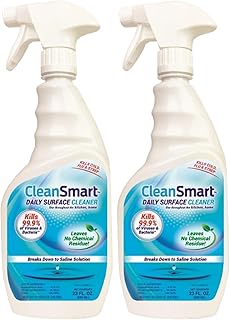
As a disinfectant, hypochlorous acid is both powerful and safe. It is approved by regulatory bodies like the EPA for use against a broad spectrum of pathogens, including SARS-CoV-2, influenza, and MRSA. Unlike bleach, it does not leave toxic residues, produce harmful fumes, or corrode surfaces. This makes it ideal for homes, schools, gyms, and food preparation areas. It's safe to use around children and pets, and many formulations are even food-contact safe.
4. Eye and Oral Care
The gentleness of HOCl allows for use in sensitive areas. In optometry, it's used as a preservative-free solution for cleaning eyelid margins to manage blepharitis. In oral care, mouthwashes containing stabilized hypochlorous acid can help reduce plaque bacteria and improve gum health without the burning sensation associated with alcohol-based rinses.
Safety Profile: Is Hypochlorous Acid Safe?
One of the most compelling aspects of acid-based HOCl is its outstanding safety profile. Because it is a substance naturally produced by the human body, it is generally non-irritating and non-sensitizing. It is not a known allergen and does not contribute to antibiotic resistance. When used as directed in commercial products, it poses minimal risk. However, it's always important to follow product instructions. Avoid getting it directly in the eyes (unless it's a product specifically formulated for ocular use) and discontinue use if unusual irritation occurs, though this is rare.
Choosing and Using a Hypochlorous Acid Product
Not all hypochlorous acid products are created equal. Stability is key, as HOCl can degrade back into saltwater if not properly formulated and packaged. Look for products from reputable brands that specify the concentration (typically between 100-200 ppm is effective for skin and general use) and have opaque, airtight packaging to protect the solution from light and air. For skin care, opt for preservative-free, fragrance-free sprays. For disinfection, ensure the product has an EPA registration number if making germ-kill claims in the US.
To use in skincare: Cleanse your face, mist with HOCl spray, let it air dry, and follow with your regular moisturizer and sunscreen. It can be used morning and night. For wound care: Always follow a healthcare provider's instructions. Typically, it involves gently irrigating the wound with the solution. For disinfection: Spray surfaces until wet, let sit for the recommended contact time (often 1-5 minutes), and wipe or allow to air dry.
The Future of Hypochlorous Acid
The potential of hypochlorous acid continues to expand. Research is exploring its role in veterinary medicine, agriculture as a natural pesticide, and even in extending the shelf life of fresh produce. Its core appeal—devastating efficacy against pathogens coupled with unparalleled gentleness—positions it as a critical tool in promoting health without toxicity. As consumers and professionals alike seek out safer, science-backed alternatives, the prominence of HOCl is set to grow even further.
In conclusion, hypochlorous acid is far more than a passing trend. It is a validated, versatile, and vital compound that bridges the gap between high-level efficacy and human and environmental safety. Whether you are managing a chronic skin condition, looking for a non-toxic home disinfectant, or seeking to support wound healing, understanding and utilizing hypochlorous acid can be a profoundly positive step for your health and wellness routine.