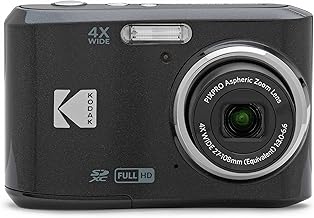
As a photographer, whether you're capturing wildlife with a trail camera or snapping memories with a compact camera like the Nikon Coolpix S6900, the ability to quickly review and share your images is crucial. The traditional workflow of transferring photos to a computer first can be slow and inconvenient, especially when you're in the field. This is where a dedicated SD card reader for your iPhone or iPad becomes an indispensable tool in your photography kit.
In this comprehensive guide, we'll explore the challenges of managing photos from devices like the Nikon Coolpix S6900 and trail cameras, and introduce a seamless solution that bridges the gap between your camera's memory card and your mobile device. We'll focus on practical, on-the-go workflows that every photographer should know.
The On-the-Go Photographer's Dilemma
The Nikon Coolpix S6900 is a popular compact camera known for its ease of use and decent image quality. Similarly, trail cameras are designed for remote, unattended operation. Both typically use standard SD or MicroSD cards to store photos. The common pain point for users of these cameras is the delay between capturing an image and being able to view, edit, or share it. You often have to wait until you're back at a computer, which can be frustrating if you want to check your shots immediately or share a great find from a trail camera.
This is not just a matter of convenience; it's about efficiency and workflow optimization. Wildlife photographers checking trail cameras need to quickly assess if an animal has been captured. Travel photographers using a compact camera like the Coolpix S6900 want to share images in real-time. The solution lies in bypassing the computer altogether and connecting your camera's memory card directly to your iPhone or iPad.
Introducing the Modern SD Card Reader Solution
To solve this problem, specialized memory card reader accessories have been developed. A prime example is the Oyuiasle Digital Trail Camera SD Card Viewer. This device is more than just a simple adapter; it's a bridge between your photography gear and your mobile editing and sharing hub.
What makes a dedicated SD card reader for iPhone superior to other methods? First, it offers direct physical access to the files, often providing faster transfer speeds than wireless options. Second, it doesn't drain your camera's battery, as Wi-Fi transfer might. Third, it's universally compatible with the Photos app and other editing applications on iOS, providing a seamless user experience.
Key Features of an Effective Mobile Card Reader
When choosing a card reader for your photography needs, especially for use with a camera like the Nikon Coolpix S6900, look for these essential features:
- Dual Slot Compatibility: The ability to read both standard SD cards and MicroSD cards (often with an adapter) ensures you can handle media from almost any camera, including most trail cameras and compact models.
- Dual-Connector Design: A reader with both a Lightning connector for iPhones/iPads and a USB-C connector offers maximum flexibility, allowing you to connect to newer iPad Pro models and a wide range of other devices.
- Plug-and-Play Operation: True plug-and-play functionality means no apps to download (for basic viewing) and no complicated setup. You insert the card, plug it into your phone, and your images appear in the Photos app.
- Compact and Durable Build: As a photography accessory meant for travel and field use, it should be small, lightweight, and robust enough to survive in a camera bag.
Step-by-Step: Viewing Your Nikon Coolpix S6900 Photos on iPhone
Let's walk through the practical process of getting photos from your Nikon Coolpix S6900 onto your iPhone using a card reader. This process is virtually identical for viewing images from a trail camera SD card.
- Power Off Your Camera: Always turn off your Nikon Coolpix S6900 before removing the SD card. This prevents data corruption.
- Eject the Memory Card: Open the battery/card compartment on your Coolpix S6900 and gently press the SD card to release it. Remove the card carefully.
- Connect the Reader: Take your SD card reader, such as the Oyuiasle viewer, and insert the SD card (or MicroSD in its adapter) into the appropriate slot.
- Plug into Your iPhone: Connect the Lightning end of the reader directly into your iPhone's charging port. For newer iPhones or iPads with USB-C, use the appropriate connector.
- Access Your Photos: Your iPhone will recognize the device. Open the Photos app. A new 'Import' tab or banner will appear, showing all the photos and videos on the card. You can then select images to import directly into your iPhone's camera roll.
This entire process takes just a minute, transforming your iPhone into a powerful field-review station. For trail camera users, this means you can check weeks of footage right at the camera site without needing to haul a laptop into the woods.
Why This Workflow Beats Built-in Camera Wi-Fi
Many modern cameras, including some in the Coolpix series, offer Wi-Fi connectivity. However, using a physical Lightning/USB-C adapter and card reader often has significant advantages:
- Speed: Physical transfers are almost always faster than wireless transfers, especially for large batches of high-resolution images.
- Reliability: You don't have to fuss with pairing, unstable connections, or camera Wi-Fi settings that can be cumbersome to navigate.
- Battery Life: Using Wi-Fi drains both your camera and phone batteries rapidly. A card reader uses minimal power from your phone.
- Universal Workflow: This method works with any camera that uses an SD card, from an old Nikon Coolpix S6900 to the latest professional DSLR or a simple trail camera. It's a one-size-fits-all solution for your digital camera accessories kit.
Advanced Uses: Beyond Simple Viewing
A good trail camera SD card viewer enables more than just viewing. Once your photos are on your iPhone, you can leverage the full power of mobile photography apps.
- Quick Editing: Use apps like Lightroom Mobile, Snapseed, or even the built-in Photos editor to adjust exposure, color, and cropping before sharing.
- Immediate Sharing: Post your best trail camera finds or travel shots directly to social media, messaging apps, or cloud storage from the field.
- Organization: Create albums, add keywords, or flag your best shots for later processing on a computer.
- Backup: While not a replacement for a full backup strategy, you can quickly import important shots to your phone as an immediate secondary copy.
Choosing the Right Card Reader for Your Needs
With many options on the market, selecting the right reader is key. The Oyuiasle SD Card Reader stands out for photographers because it's specifically designed with their workflow in mind. Its dual-slot design means it can handle the SD card from your Nikon Coolpix S6900 and the MicroSD card from your trail camera without needing multiple adapters. The dual Lightning/USB-C connectors ensure compatibility with almost any Apple device you own now or in the future.
When evaluating any MicroSD card adapter, check reviews for data transfer reliability and build quality. The connection should feel secure, and the reader should not get excessively hot during use.
Conclusion: Empower Your Mobile Photography Workflow
Gone are the days of being tethered to a desktop computer to manage your photos. Whether you're a wildlife enthusiast checking trail cams, a traveler using a convenient camera like the Nikon Coolpix S6900, or a hybrid shooter who needs flexibility, a dedicated SD card reader for your iPhone is a game-changer. It embodies the modern, mobile-first approach to photography.
By integrating a tool like the Oyuiasle Digital Trail Camera SD Card Viewer into your kit, you unlock immediate access to your images. You can review, edit, and share your photography from anywhere, turning moments of capture into moments of connection without delay. It's a simple, affordable accessory that delivers profound convenience, making it an essential item for any photographer who values their time and creative momentum.