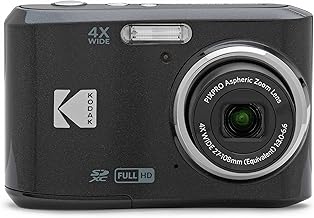
Stepping into the world of digital photography can be both exciting and overwhelming. With so many models on the market, how do you choose the right camera to start your creative journey? Two names that often come up for beginners are the Nikon Coolpix S6900 and cameras from the broader COOLPIX L-series, like the popular COOLPIX L32. While the S6900 is a specific model known for its features, understanding how it fits within the landscape of compact, easy-to-use cameras is key. This guide will demystify the options, helping you avoid common pitfalls and make an informed decision based on what you truly need from your first camera.
Understanding the Compact Camera Landscape: More Than Just Megapixels
When shopping for your first camera, it's easy to get fixated on megapixel counts. However, for most beginners, other factors have a far greater impact on the quality and enjoyment of your photos. Key considerations include lens quality, zoom range, sensor size, and overall handling. A camera like the Nikon Coolpix S6900 offers a specific set of features tailored for social sharing and everyday use. In contrast, a model such as the COOLPIX L32 emphasizes simplicity and reliability with a robust wide-angle lens. The "best" camera isn't the one with the highest specs on paper; it's the one that feels intuitive in your hands and encourages you to shoot more often.
Key Features Beginners Should Prioritize
1. Lens Versatility: Zoom and Wide-Angle Capability
The lens is your camera's eye, and its capabilities define what you can capture. A versatile zoom range allows you to frame shots creatively, from sweeping landscapes to distant subjects. Many beginner-friendly cameras, including numerous compact camera options, boast significant optical zoom. For instance, a 5x zoom lens provides substantial flexibility without the bulk of an interchangeable lens system. Paired with a wide-angle capability, it lets you capture group shots, interiors, and vast scenery with ease. This combination is a hallmark of user-friendly designs that grow with your skills.
2. Ease of Use: The True Point-and-Shoot Experience
The term "point-and-shoot" should mean exactly that. For newcomers, a cluttered menu or complex controls can stifle creativity. Look for cameras with intelligent Auto modes that handle scene detection, focus, and exposure for you. A clear, bright LCD screen for composing shots and reviewing images is essential. The goal is to minimize friction between seeing a moment and capturing it. Models designed with the novice in mind often feature guided modes or helpful tips built into the interface, turning every photo session into a learning opportunity.
3. Build Quality and Portability
Your first camera should be a companion, not a burden. A compact, lightweight body encourages you to take it everywhere, which is the best way to improve. Durability is also crucial; a camera that can withstand the occasional bump or light drizzle offers peace of mind. The construction of a reliable digital camera balances sturdiness with ergonomic design, ensuring it's comfortable to hold for extended periods. This practical aspect is often what separates a camera that sits in a drawer from one that documents your life.
Common Beginner Mistakes and How to Avoid Them
Many first-time buyers fall into predictable traps. One major error is overbuying—purchasing a camera with far more features (and complexity) than they are ready to handle, leading to frustration. Another is underestimating the importance of battery life and storage; there's nothing worse than your camera dying during a day out. Additionally, focusing solely on price can lead to missing out on a slightly more expensive model that offers significantly better value through lens quality or sensor performance. Researching specific use cases, like whether you need strong low-light performance or fast shooting for kids and pets, will guide you better than any generic bestseller list.
Making Your Decision: Aligning Features with Your Goals
So, how do you choose between a specific model like the Nikon Coolpix S6900 and other excellent entry-level options? Start by defining your primary use. Are you capturing daily family moments, traveling, or diving into a new hobby? Next, visit a store if possible. The feel of the camera, the logic of its buttons, and the clarity of its display are subjective factors you can only assess in person. Read reviews from verified owners, not just spec sheets. Finally, consider the ecosystem—availability of cases, compatibility with editing apps, and the brand's reputation for supporting beginner camera users. The right choice is the one that makes photography feel accessible and fun, paving the way for you to develop your unique style and vision.