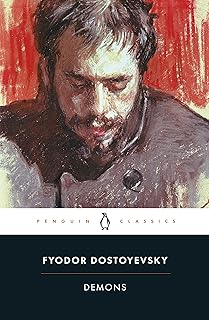
Fyodor Dostoevsky stands as a colossus in the world of literature, a writer whose profound exploration of the human psyche, faith, and society continues to captivate readers over a century after his death. Navigating his extensive body of work can be daunting for newcomers and seasoned readers alike. This guide is designed to illuminate the path through his complex and rewarding universe, helping you understand why Dostoevsky books remain essential reading and offering a clear roadmap for your literary journey.
Why Read Dostoevsky? The Enduring Power of His Fiction
Dostoevsky's novels are more than just stories; they are intense psychological and philosophical excavations. He plunges into the darkest corners of the human soul—guilt, redemption, free will, and the existence of God—with an honesty that is both brutal and compassionate. Reading his work is an immersive experience that challenges your perceptions of morality, society, and self. For anyone interested in philosophical fiction that grapples with life's biggest questions, his novels offer unparalleled depth. His characters are not simply good or evil but are fractured, contradictory, and deeply human, making them resonate across cultures and generations.
Where to Start with Dostoevsky: A Curated Reading Path
If you're new to Dostoevsky, diving straight into his denser, later works might be overwhelming. We recommend this progression to build your understanding and appreciation.
1. The Gateway: Notes from Underground
This short novella is the perfect introduction. Presented as the rambling memoir of a bitter, isolated narrator, it introduces key Dostoevskian themes: alienation, rationalism versus irrational desire, and the torment of hyper-consciousness. Its relatively brief length and focused intensity make it an accessible entry point before tackling the epic novels.
2. The Masterpiece of Crime & Conscience: Crime and Punishment
Often considered the best starting point for his major novels, Crime and Punishment is a gripping psychological thriller. It follows the impoverished ex-student Raskolnikov, who justifies a murder with a dangerous philosophical theory, only to be consumed by paranoia and guilt. The novel's relentless pace and profound moral inquiry make it a compelling and unforgettable read, solidifying its place among the greatest Russian novels ever written.
3. The Family Epic: The Brothers Karamazov
Dostoevsky's final and arguably greatest novel is a monumental family saga centered on the murder of the despicable Fyodor Karamazov and the implication of his three very different sons. It is here that Dostoevsky's philosophical and theological debates reach their zenith, particularly in the famous "Grand Inquisitor" chapter. While demanding, it is the ultimate culmination of his life's work and themes.
Building Your Dostoevsky Library: Collections vs. Individual Volumes
For collectors and enthusiasts, a common question is whether to acquire individual volumes or seek out curated collections. Individual editions, often from publishers like Penguin Classics or Everyman's Library, offer beautiful standalone pieces with valuable introductions and notes. However, a well-chosen collection can provide an excellent overview and be a cost-effective way to own several key works in one volume.
One such valuable compilation is The Best of Fyodor Dostoevsky from Wordsworth Author Collections. This type of collection is ideal for readers who want a substantial sampler of Dostoevsky's range. It typically includes major novels like Crime and Punishment and The Idiot, alongside shorter works like Notes from Underground. For someone building their classic library, this approach offers both breadth and significant literary value, serving as a cornerstone for exploring Dostoevsky's bibliography.
Key Themes in Dostoevsky's Work
Understanding these recurring ideas will deepen your reading experience:
- Suffering and Redemption: Dostoevsky saw suffering as a path to spiritual awakening and truth.
- The Double/ Divided Self: Many characters grapple with conflicting internal personas, highlighting the struggle between base instincts and higher morality.
- Faith vs. Nihilism: His novels are dramatic battlegrounds between belief in God, meaning, and love, and the despairing void of nihilism.
- Free Will and Responsibility: He fiercely argued against purely rational, deterministic views of humanity, championing the painful but essential freedom of choice.
Common Mistakes When Approaching Dostoevsky
Many readers stumble by making these avoidable errors:
- Starting with the Longest Book: Beginning with The Brothers Karamazov without context can lead to frustration. Build up to it.
- Ignoring the Historical Context: A basic understanding of 19th-century Russia, including the influence of Western ideas and the role of the Orthodox Church, enriches the reading. A good edition's introduction is crucial.
- Reading Too Quickly: Dostoevsky requires slow, thoughtful reading. The density of ideas and psychological detail demands reflection.
- Overlooking the Shorter Works: Novellas like Notes from Underground or The Dream of a Ridiculous Man are masterpieces in miniature and key to understanding his evolution.
Why a "Best Of" Collection Makes Sense
For the reader seeking a comprehensive introduction or a handy single-volume reference, a "Best of" collection is a strategic choice. It solves the problem of "where to start" by presenting the author's most celebrated and accessible works. Publishers like Wordsworth specialize in these author collections, offering them at an accessible price point without sacrificing quality. Owning such a volume is not just about convenience; it's about having a curated journey through Dostoevsky's genius at your fingertips, a perfect launchpad for a deeper dive into his world.
Final Verdict: Embarking on the Dostoevsky Journey
Reading Dostoevsky is a commitment that pays extraordinary dividends. It is an engagement with some of the most powerful and troubling questions about what it means to be human. Whether you choose to begin with a standalone classic like Crime and Punishment or opt for a curated volume like the Wordsworth collection, the important step is to begin. His books are not mere relics of the past but living, breathing dialogues that continue to challenge, comfort, and transform readers. Prepare to have your assumptions questioned, your empathy expanded, and your understanding of literature permanently deepened.