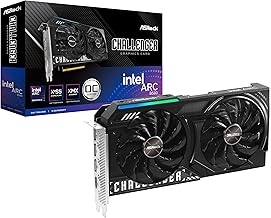
In the world of electronics and specialized components, certain model numbers become synonymous with reliability and specific functionality. One such identifier that often surfaces in discussions among engineers, hobbyists, and procurement specialists is the B580. But what exactly is it? This article serves as your definitive guide, demystifying the B580 by exploring its core characteristics, typical uses, and the value it brings to various technological applications. Whether you're sourcing parts or designing a new system, understanding components like the B580 is crucial.
At its core, the designation "B580" typically refers to a specific model or series within a broader product family, often in sectors like semiconductors, diodes, sensors, or other electronic modules. The "B" prefix can indicate a particular series or technology type, while "580" denotes the specific model variant. It's essential to consult the manufacturer's datasheet for precise specifications, as the exact parameters can vary. However, common threads in components bearing this name often include stable performance, durability, and design for specific electrical roles.
Key Features and Technical Specifications of the B580
While specifications depend on the exact product type, a component like the B580 generally boasts a set of defining features. For instance, if the B580 is a diode, its features might include a low forward voltage drop and high surge current capability. If it's a sensor, it could offer high sensitivity and a wide operating temperature range. Key specs to look for often involve voltage ratings, current handling, response time, package type, and thermal characteristics. These features collectively determine where and how the B580 can be effectively deployed, making it a versatile choice for many circuit designs.
Common Applications and Use Cases
The utility of the B580 spans multiple industries. In power supply units, it might be used for rectification or voltage regulation. In automotive electronics, it could serve in protection circuits or sensor interfaces. Consumer electronics, industrial automation, and renewable energy systems are other common domains. Its reliability makes it suitable for applications where failure is not an option. Understanding these use cases helps in selecting the right component for your project's needs and underscores why the B580 is a recurring tag in component databases and forums.
Advantages of Choosing the B580 for Your Project
Opting for a well-established component like the B580 comes with several benefits. First is proven reliability; widespread use means it has been tested in real-world conditions. Second is availability; common parts are easier to source, reducing lead times. Third is community and support; encountering a popular model means more troubleshooting resources and application notes are available online. These advantages reduce design risk and can accelerate development cycles, making the B580 a prudent choice for both prototypes and mass production.
How to Source and Integrate the B580
Sourcing genuine B580 components is critical. Always purchase from authorized distributors or reputable suppliers to avoid counterfeit parts that could compromise your project's integrity. When integrating the B580 into your design, pay close attention to the layout recommendations in the datasheet, especially concerning thermal management and electrical noise. Proper soldering techniques and adherence to rated operational limits are non-negotiable for ensuring longevity and performance.
B580 vs. Similar Components: A Comparative Analysis
How does the B580 stack up against alternatives? This depends heavily on the component category. It may offer a better price-to-performance ratio than some newer models or provide more robust surge protection than competitors. Comparing key parameters like efficiency, size, cost, and temperature range will reveal its niche. Often, the B580 represents a balanced, cost-effective solution for standard requirements, while specialized alternatives might excel in extreme conditions.
Frequently Asked Questions (FAQs) About the B580
Is the B580 suitable for high-frequency applications?
This depends on its specific type. A switching diode B580 may have limitations, while a different variant could be designed for RF. Always check the frequency response in the datasheet.
Can I use the B580 as a direct replacement for a B581?
Not without verification. Even similar model numbers can have different voltage or current ratings. Cross-reference the datasheets to ensure compatibility.
Where can I find the official datasheet for the B580?
The manufacturer's website is the primary source. Distributor sites and component aggregator platforms also host datasheets for most common parts like the B580.
Conclusion: The Enduring Relevance of the B580
In conclusion, the B580 is more than just a model number; it represents a category of dependable electronic components that have earned their place in countless designs. Its blend of specific features, reliability, and wide availability makes it a go-to choice for engineers addressing common circuit challenges. By understanding its capabilities and applications, you can make informed decisions that enhance the robustness and efficiency of your electronic projects. For further exploration of components and their applications, browse our library of guides under the B580 tag.


