If you've ever tasted the vibrant, complex heat of authentic Korean kimchi or the savory-sweet glaze of tteokbokki, you've experienced the magic of Gochugaru. This isn't your average crushed red pepper; it's the soul of Korean cuisine, a unique seasoning that delivers a distinct flavor profile—smoky, slightly sweet, and fruity with a manageable heat. Unlike the purely spicy kick of cayenne or the flat heat of generic chili flakes, Gochugaru adds depth, color, and a signature aroma that is unmistakably Korean. This guide will delve into what makes this ingredient so special, how to use it, and why choosing a quality, MSG-free product is crucial for your culinary creations.
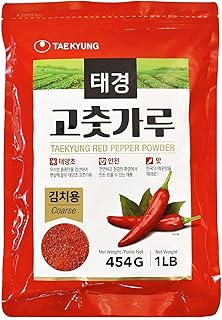
At its core, Gochugaru (고춧가루) translates simply to "chili powder," but that translation doesn't do it justice. It is made from sun-dried Korean red chili peppers (taeyang-cho) that are de-seeded and ground. The key differentiator is the grind size and preparation. It comes primarily in two forms: fine powder (고운 고춧가루) for making sauces and marinades, and coarse flakes (굵은 고춧가루), which are essential for kimchi and many banchan (side dishes). The flake form, like that found in Taekyung Chili Powder For Kimchi, provides texture and a more gradual release of flavor and color, which is why it's the preferred choice for fermenting vegetables.
Why is Gochugaru non-negotiable for authentic Korean food? First, its Scoville heat rating is relatively mild, typically ranging from 1,500 to 10,000 SHU. This places it in the mild-to-medium heat category, similar to a jalapeño. This moderate heat level allows you to use it generously without overwhelming the palate, enabling its other flavor notes to shine. Second, the peppers are traditionally sun-dried, which imparts a subtle sweetness and smokiness absent in peppers dried by artificial heat. This process preserves the pepper's natural capsaicinoids and carotenoids, giving Gochugaru its brilliant red hue and complex flavor. Substituting it with cayenne or crushed red pepper will result in a dish that is merely spicy, lacking the characteristic sweet-smoky backbone of true Korean cuisine.
The Heart of Kimchi: Choosing the Right Gochugaru
No discussion of kimchi chili powder is complete without focusing on its most famous application: kimchi. The choice of Gochugaru directly impacts the kimchi's fermentation, flavor, and final texture. For traditional homemade kimchi, the coarse flake variety is paramount. The flakes create tiny pockets within the vegetable paste, allowing the fermentation gases to circulate and promoting healthy lactic acid bacteria growth. A fine powder can create a dense, muddy paste that hinders fermentation and results in a less crisp final product.
This is where product quality becomes critical. Many commercial Korean red pepper flakes may contain additives, artificial colors, or MSG to compensate for lower-quality peppers or rushed processing. For a pure, authentic taste and a successful ferment, an MSG-free seasoning like Taekyung Chili Powder is ideal. MSG can interfere with the natural fermentation process and mask the true flavors developed by the lactic acid bacteria. By using a clean, additive-free product, you ensure that the tangy, umami-rich flavor of your kimchi comes from the natural fermentation of the vegetables and seasonings, not from enhancers.
Beyond Kimchi: Culinary Uses of Gochugaru
While kimchi may be its flagship use, Gochugaru is a versatile workhorse in Korean cooking. Its application extends far beyond fermenting cabbage. Here are some essential ways to incorporate it into your kitchen:
- Gochujang & Doenjang Pastes: It is a primary ingredient in Korea's beloved fermented pastes. The flakes are mixed with meju (fermented soybean blocks), glutinous rice, and salt to create these foundational condiments.
- Soups and Stews (Jjigae): A spoonful of Gochugaru is often the first step in building the base for stews like kimchi jjigae or sundubu jjigae, where it's sautéed in oil to release its flavors and color before adding liquid.
- Marinades (Yangnyeom): It is essential for bulgogi, dakgalbi (spicy stir-fried chicken), and other grilled or stir-fried dishes, combining with soy sauce, garlic, sesame oil, and sweeteners.
- Seasoning Finishes: Lightly toasted Gochugaru can be sprinkled over dishes like bibimbap, noodles, or even popcorn for a final burst of flavor and color.
- Banchan (Side Dishes): Countless side dishes, from seasoned spinach (sigeumchi namul) to spicy cucumbers (oi muchim), rely on it for their signature kick.
As an Asian spice seasoning, it also pairs wonderfully in non-Korean contexts. Try it in a dry rub for grilled meats, whisked into vinaigrettes for a smoky heat, or stirred into mayonnaise for a spicy sandwich spread. Its complexity makes it far more adaptable than a simple heat agent.
Selecting and Storing Your Gochugaru for Maximum Flavor
Not all Gochugaru is created equal. When shopping, look for a vibrant, deep red color—a sign of proper drying and freshness. A dull, brownish, or orange hue indicates age or poor processing. The aroma should be pleasantly smoky and fruity, not musty or acrid. For most home cooks, especially those making kimchi, starting with a trusted, pre-packaged flake like Taekyung Chili Powder ensures consistency and quality.
Because its flavor and color degrade with exposure to light, heat, and air, proper storage is non-negotiable. Always transfer your Taekyung chili powder or any other brand to an airtight container immediately after opening. Store it in a cool, dark place like a pantry or, ideally, in the refrigerator or freezer. Cold storage dramatically slows the oxidation process, preserving its vibrant color and nuanced flavor for up to a year or more. If your Gochugaru loses its red brilliance and smells flat, it's time for a new batch.
Why Taekyung Chili Powder Stands Out
In a market filled with options, Taekyung Chili Powder For Kimchi exemplifies the qualities to look for in a premium Gochugaru. Sourced from Korean peppers and processed into the ideal coarse flake size, it is specifically designed for kimchi making. Its commitment to being MSG-free means you get the true, unadulterated taste of the pepper—a crucial factor for both flavor and successful fermentation. The 7oz package is a practical size for regular home cooks, large enough for multiple batches of kimchi or other dishes but not so large that it will stale before use.
Using a dedicated kimchi chili powder like Taekyung's takes the guesswork out of the equation. You can be confident that the texture is correct for fermentation and that no hidden additives will compromise your hard work. This reliability makes it an excellent choice for both beginners embarking on their first kimchi project and seasoned cooks seeking consistent, high-quality results.
Final Thoughts: Embracing the Essential Korean Spice
Gochugaru is far more than a source of heat; it is a foundational flavor pillar of Korean gastronomy. Its unique combination of mild spice, fruity sweetness, and smoky aroma unlocks the authentic taste of countless dishes, from the fermented tang of kimchi to the rich depths of a simmering stew. By understanding its characteristics, uses, and the importance of selecting a pure, high-quality product like an MSG-free flake, you equip yourself to explore Korean cooking with confidence and authenticity. Whether you're sprinkling it as a finish or using it as the base for a ferment, this vibrant red seasoning is an indispensable tool for bringing the true flavors of Korea into your kitchen.