When you think of Korean cuisine, a vibrant, deep red color and a complex, savory-spicy flavor likely come to mind. That signature hue and taste are almost always thanks to one indispensable ingredient: Gochugaru. While many know it as the heart of kimchi, this Korean red pepper powder is a versatile cornerstone of an entire culinary tradition. But not all gochugaru is created equal. The grind size, processing method, and quality of the peppers themselves dramatically impact your final dish. This guide dives deep into the world of fine gochugaru, exploring its unique characteristics and how to harness its full potential in your kitchen.
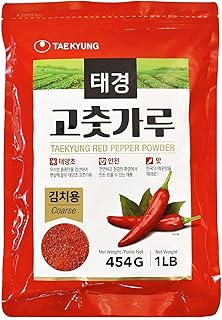
At its core, gochugaru is made from sun-dried Korean red chili peppers. Unlike cayenne or other chili powders focused solely on heat, gochugaru offers a harmonious balance. It provides a moderate, building warmth alongside a distinct sweetness and a subtle, smoky fruitiness. This complexity is what allows it to be used in such large quantities without overwhelming a dish. The texture is another key differentiator. You'll find it in coarse flakes (the more common form for kimchi) and in a fine powder. Fine chili powder, like the Taekyung Chili Powder for Paste, is specifically designed for applications where a smooth texture and even color distribution are paramount.
The Fine Distinction: Why Powder Matters
Choosing between flaky and powdery gochugaru isn't just about preference; it's about function. Coarse flakes are excellent for kimchi and certain marinades where you want a bit of texture. Fine powder, however, dissolves more readily, creating a seamless, rich paste or sauce. It's the secret behind the glossy, deeply red coating of tteokbokki (spicy rice cakes) and the uniformly vibrant hue of gochujang (fermented chili paste). A fine grind ensures the chili's flavor and color infuse every molecule of your sauce without any gritty bits, resulting in a more professional and authentic finish.
Beyond the Jar: Culinary Applications of Fine Gochugaru
Moving past its kimchi fame, fine gochugaru opens up a world of Korean cooking and fusion possibilities. Its primary role is in creating yangnyeom, the foundational seasoned pastes and sauces of Korean cuisine.
- Tteokbokki Sauce: The classic spicy-sweet sauce for rice cakes relies on fine gochugaru to create its thick, clingy, and brilliantly red consistency.
- Bulgogi & Galbi Marinades: While these are often sweet and savory, a touch of fine gochugaru adds depth and a gentle warmth that balances the sugar and soy sauce.
- Soup & Stew Bases: Dishes like sundubu jjigae (soft tofu stew) and budae jjigae (army stew) use gochugaru to build their foundational spice and color directly in the broth.
- Seasoning Oil (Yangnyeom Gireum): Infusing oil with fine gochugaru, garlic, and green onions creates a versatile condiment for drizzling over noodles, dumplings, or even pizza.
- Fusion Creations: Add it to mayonnaise for a spicy burger sauce, mix into dry rubs for grilled meats, or stir into melted butter for Korean-style corn on the cob.
The MSG-Free Advantage: Pure Pepper Flavor
In today's culinary landscape, many cooks seek out clean-label ingredients. Some chili powders and Asian spice seasonings contain added monosodium glutamate (MSG) or other flavor enhancers to compensate for lower-quality peppers. Opting for an MSG-free seasoning like the Taekyung Chili Powder for Paste ensures you are tasting the authentic, unadulterated flavor of the sun-dried peppers. This purity is crucial when you're using a significant amount in a recipe; you want the true, fruity heat of the gochugaru to shine through, not masked or altered by additives.
Selecting Your Gochugaru: A Buyer's Guide
With so many options on the shelf, how do you choose? First, identify your need: flakes for texture-driven ferments or fine powder for sauces and pastes. For the latter, scrutinize the color. High-quality fine gochugaru should be a bright, brick red, not a dull brownish-red, which can indicate age or poor-quality peppers. The aroma should be sweet and slightly smoky, not sharp or acrid. Finally, check the label. A short ingredient list—ideally just "Korean red pepper powder"—is best. A product like the Taekyung fine chili powder exemplifies these qualities, being specifically milled for paste-making and free from unnecessary additives, guaranteeing a consistent and potent result for your chili paste projects.
Storing Your Korean Chili Powder for Maximum Freshness
Gochugaru's greatest enemies are light, heat, and air. Its vibrant color and nuanced flavor compounds are sensitive and will degrade over time if not stored properly. Always transfer your powder to an airtight, opaque container. A glass jar stored in a dark pantry or, even better, the refrigerator or freezer, will dramatically extend its shelf life. Properly stored, high-quality fine gochugaru can retain its potency and color for over a year, ensuring every spoonful delivers the full, intended impact to your dishes.
Conclusion: Elevate Your Pantry with Authentic Flavor
Understanding Gochugaru—particularly the specialized role of a fine, high-quality powder—is a game-changer for anyone interested in Korean food or seeking to add a new dimension of flavor to their cooking. It's more than just chili powder; it's a cultural ingredient that carries sweetness, smoke, and warmth in every grain. By choosing a dedicated, pure product like an MSG-free fine grind, you equip your kitchen with the authentic tool needed to create everything from fiery stews to complex marinades. Don't just make kimchi—unlock the full potential of this essential Korean chili powder and let its unique character transform your culinary creations.