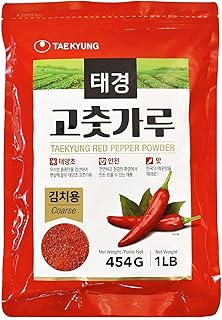
If you've ever tasted the vibrant, complex heat of authentic kimchi or the savory-sweet glaze of tteokbokki, you've experienced the magic of Gochugaru. This cornerstone of Korean cuisine is far more than just a simple chili powder. It's a flavor foundation, a cultural touchstone, and a versatile ingredient that brings depth, color, and a uniquely nuanced spice to countless dishes. Unlike the sharp, immediate burn of cayenne or the smoky punch of chipotle, Gochugaru offers a fruity, slightly sweet, and subtly fermented heat that builds slowly, allowing other flavors to shine.
This guide is designed to be your comprehensive resource for understanding, choosing, and cooking with this essential Korean ingredient. Whether you're a home cook embarking on your first kimchi fermentation project or a seasoned chef looking to deepen your knowledge of Korean cooking, we'll cover everything from its origins and types to practical tips and recipe applications.
What is Gochugaru? More Than Just Chili Flakes
Gochugaru (고춧가루) translates directly to "chili powder," but this simple name belies its complexity. It is made from sun-dried Korean red chili peppers (taeyang-cho) that are typically de-seeded and ground. The peppers are often partially fermented during the drying process, which contributes to Gochugaru's distinctive flavor profile—less about raw heat and more about a rounded, almost tangy spiciness with sweet, fruity undertones.
Its vibrant red color is a signature of Korean food, symbolizing joy and celebration. The texture can vary from fine powder to coarse flakes, each serving different purposes in the kitchen. This versatility makes it a non-negotiable pantry staple for anyone serious about recreating authentic Korean flavors at home.
Choosing the Right Gochugaru: Flakes vs. Powder
Not all Gochugaru is created equal. Your choice between coarse flakes (deol-maewoon gochugaru) and fine powder (goun gochugaru) will significantly impact your final dish. Here’s how to decide:
Coarse Gochugaru Flakes
This is the most common and versatile form. The coarse texture provides a pleasant mouthfeel and a more gradual release of flavor and color. It's the absolute best choice for making kimchi, as the flakes create pockets of flavor and help the fermentation brine develop properly. They are also ideal for soups, stews (like kimchi jjigae), and seasoning blends where you want visible texture.
Fine Gochugaru Powder
Finely ground Gochugaru is perfect for applications where a smooth texture and even color distribution are key. Use it for making gochujang (fermented chili paste), seasoning sauces for bibimbap, or as a vibrant finishing sprinkle on dishes like noodles or rice. It dissolves more readily in liquids, creating a uniform red hue.
Key Factors to Consider When Buying
Navigating the market for Gochugaru can be confusing. Here are the critical factors to ensure you bring home a quality product:
- Color: Look for a bright, brick-red or deep red color. A dull, brownish, or orange hue can indicate old, poorly stored, or low-quality peppers.
- Aroma: Fresh, high-quality Gochugaru should have a clean, slightly sweet, and subtly smoky aroma. Avoid any product that smells musty, dusty, or overly sharp.
- Heat Level: It typically ranges from mild to medium-hot. The heat level is often indicated on the packaging (e.g., mild, medium, hot). For general cooking and kimchi, a medium heat level offers the best balance of flavor and spice.
- Origin & Brand: For the most authentic flavor, seek out brands that source and process their peppers in Korea. A trusted option like FRONTIER Gochugaru Chili provides a reliable, high-quality coarse flake that's perfect for a wide range of recipes, from your first batch of kimchi to everyday seasoning.
Mastering the Use of Gochugaru in Your Kitchen
Now that you have your Gochugaru, it's time to put it to work. Its applications extend far beyond the famous kimchi seasoning.
The Heart of Kimchi
This is its most iconic use. The coarse flakes are mixed with a paste of garlic, ginger, fish sauce (or salted shrimp), and sweet rice flour to create the vibrant, spicy coating for napa cabbage and other vegetables. The quality of your Gochugaru directly influences the flavor, color, and success of your kimchi fermentation.
Foundational for Sauces and Marinades
Create a simple yet powerful seasoning paste by mixing Gochugaru with soy sauce, sesame oil, minced garlic, and a sweetener like honey or sugar. This forms the base for countless dishes: bulgogi marinade, tteokbokki sauce, or a dipping sauce for mandu (dumplings).
Elevating Soups and Stews
A spoonful (or three) of Gochugaru added to the pot at the beginning of cooking builds a deep, rich foundation for soups and stews. It's essential for sundubu jjigae (soft tofu stew) and budae jjigae (army stew), providing both heat and a beautiful red broth.
A Vibrant Finishing Touch
Use it as a final garnish! A light sprinkle over steamed vegetables, scrambled eggs, avocado toast, or even popcorn adds a pop of color and a layer of complex, fruity heat that is uniquely different from other chili powders.
Storing Your Gochugaru for Maximum Freshness
Like all spices, Gochugaru is sensitive to light, heat, and air, which can cause it to lose its vibrant color and nuanced flavor. To preserve its quality:
- Always transfer it to an airtight container after opening.
- Store it in a cool, dark place, such as a pantry or cupboard. For long-term storage (over 6 months), the refrigerator is ideal as it significantly slows down the degradation of color and flavor.
- Check the aroma before use. If it has lost its characteristic sweet-smoky scent and smells flat or off, it's time for a fresh batch.
Beyond Korean Cuisine: Creative Culinary Uses
While rooted in Korean tradition, don't be afraid to let Gochugaru inspire fusion creativity. Its unique profile can elevate non-Korean dishes in surprising ways:
- Spicy Mayo/Magic Dust: Mix it with mayonnaise for a burger spread or blend it with salt and a touch of sugar as a finishing salt for roasted potatoes or fries.
- Infused Oils: Gently heat neutral oil with a few tablespoons of Gochugaru to create a beautifully red, flavorful oil for drizzling over pizzas, pasta, or grilled meats.
- Cocktail Rim: Combine it with salt or sugar to rim glasses for a Bloody Mary or a spicy margarita.
Your Journey with Gochugaru Starts Here
Understanding and using Gochugaru is a rewarding step into the heart of Korean culinary tradition. It's an ingredient that invites experimentation and rewards attention to detail. By choosing a high-quality product like FRONTIER Gochugaru Chili, storing it properly, and starting with foundational recipes, you'll unlock a world of flavor that goes far beyond simple heat. Whether you're fermenting a classic kimchi or simply adding a new spicy seasoning to your pantry, this Korean red pepper is sure to become a cherished staple in your kitchen.