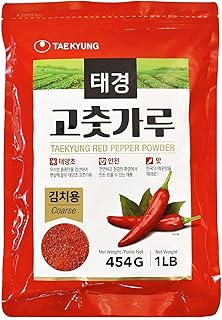
Gochugaru, the vibrant Korean red pepper flake, is the soul of countless Korean dishes. Its unique sweet, smoky, and moderately spicy flavor profile is irreplaceable. However, many home cooks, eager to dive into Korean cuisine, stumble with this essential ingredient. Using the wrong type, storing it improperly, or misunderstanding its heat level can lead to disappointing results. This guide is designed to help you navigate past these common pitfalls, ensuring your kimchi, stews, and marinades achieve that authentic, restaurant-quality taste you're craving.
The Gochugaru Identity Crisis: It's Not Just Chili Powder
The first and most critical mistake is treating all red pepper products as interchangeable. Gochugaru is distinct from cayenne pepper, paprika, or generic chili powder found in Western supermarkets.
- Flavor Profile: Gochugaru offers a complex blend of sweetness, smokiness (from sun-drying), and a fruity undertone, with a heat level that is warming rather than aggressively fiery. Cayenne and crushed red pepper are often significantly hotter and lack this nuanced sweetness.
- Texture: It comes in fine powder (galu) or coarse flakes (deolmae). The coarse flakes are preferred for kimchi as they provide better texture and color, while the powder is often used for sauces and soups. Substituting a fine, potent powder can make your dish overly spicy and muddy.
- Color: Authentic, high-quality gochugaru should be a bright, brick red. A dull brown or orange color often indicates old, oxidized, or low-quality peppers that have lost their vibrancy and flavor.
Storage Sabotage: How to Keep Your Gochugaru Fresh
This is where many enthusiasts go wrong. Gochugaru's vibrant color and nuanced flavor are highly susceptible to light, heat, and air.
Mistake: Leaving the bag or jar on the countertop or near the stove. The constant exposure to light and ambient heat accelerates oxidation, causing the flakes to lose their color (fading to brown) and develop a stale, flat flavor.
Solution: Treat your gochugaru like a precious spice. Always store it in an airtight container in a cool, dark place. For long-term storage (over a few months), the refrigerator or even freezer is ideal. The cold dramatically slows down the degradation process. Products like The Spice Way's premium gochugaru often come in resealable, opaque packaging designed to protect the contents, but transferring to a dedicated airtight jar is a best practice.
The Heat Misconception: Adjusting for Your Palate
Another common error is assuming all gochugaru has the same spice level and using a recipe's measurement blindly.
Understanding the Scale: Gochugaru is typically categorized by coarseness, but heat can vary by brand and pepper batch. It is generally milder than many Western chili flakes, but variations exist.
Pro Tip: Always taste a tiny pinch of your specific batch of Korean red pepper flakes before you start cooking. This allows you to gauge its heat and adjust the quantity in your recipe accordingly. If you're sensitive to spice, you can start with less and add more to taste. Remember, you can always add heat, but you can't take it away.
Kimchi Catastrophes: Avoiding Soggy or Bland Ferments
As the quintessential kimchi seasoning, gochugaru mistakes are most apparent here.
- Mistake 1: Using Fine Powder. This can create a pasty, overly intense coating that doesn't allow the cabbage to breathe properly during fermentation, potentially leading to off-textures.
- Mistake 2: Not Making a Paste. Sprinking dry flakes over salted cabbage won't distribute the flavor evenly. You must create a glue-like paste by mixing gochugaru with a liquid base like fish sauce, salted shrimp (saeujeot), rice flour porridge, or even water. This paste coats every nook and cranny.
- Mistake 3: Skipping the Taste Test. Before massaging the paste into your vegetables, taste it! Adjust the saltiness, sweetness (from sugar or fruit), and umami until the base paste itself is delicious.
Beyond Kimchi: Unlocking Gochugaru's Versatility
Limiting gochugaru to only kimchi is a major missed opportunity. Its flavor enhances a wide array of dishes.
For Marinades & Glazes: Mix gochugaru with soy sauce, sesame oil, garlic, and a sweetener like honey or pear juice to create incredible marinades for meats like bulgogi or galbi. It adds depth and color without overwhelming heat.
In Soups & Stews: A spoonful of all-natural gochugaru is the foundation for the rich, red broth in classics like kimchi jjigae (stew) or sundubu jjigae (soft tofu stew). It infuses the broth with flavor and a beautiful hue.
As a Finishing Touch: Sprinkle coarse gochugaru flakes over pizzas, avocado toast, popcorn, or roasted vegetables for a kick of sweet heat and stunning color. A high-quality product ensures this finishing flavor is clean and vibrant.
Choosing Quality: What to Look For
Your results are only as good as your ingredients. When selecting gochugaru, prioritize quality.
- Color: Look for a vibrant, consistent brick red. Avoid anything pale or brownish.
- Ingredient List: It should contain one thing: Korean red pepper. Avoid products with anti-caking agents, added oils, or preservatives, which can affect fermentation and flavor.
- Packaging: Opt for brands that use light-blocking, airtight packaging. This is a strong indicator the producer cares about preserving the product's integrity from the start.
- Reputation: Seek out brands specializing in Korean cooking essentials. They are more likely to source and process peppers correctly for authentic flavor.
Conclusion: Embrace the Flavor Journey
Mastering gochugaru is a key step in unlocking the authentic, soul-warming flavors of Korean cuisine. By avoiding these common mistakes—confusing it with other chilies, improper storage, misjudging heat, and underutilizing its potential—you transform it from a simple ingredient into a cornerstone of your culinary repertoire. Start with a high-quality, premium product, store it with care, and experiment beyond kimchi. Your taste buds will thank you as you create deeply flavorful, colorful, and truly satisfying dishes that honor this remarkable Korean staple.