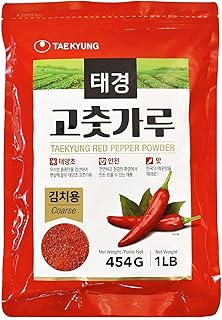
If you've ever savored the complex, savory-spicy depth of a perfect kimchi or the addictive glaze on Korean fried chicken, you've experienced the magic of Gochugaru. More than just a chili powder, Gochugaru is the vibrant, aromatic soul of Korean cuisine. This essential guide will take you beyond the basics, exploring its unique characteristics, culinary applications, and how to select the right type for your kitchen.
Unlike many Western chili powders, which are often finely ground and can carry a raw, sharp heat, Gochugaru offers a different profile. It's typically made from sun-dried Korean red peppers that are coarsely ground into flakes or finely ground into powder. The result is a flavor that balances moderate heat with a distinct sweetness and a subtle, smoky fruitiness. This complexity is what allows it to be used in such large quantities without overwhelming a dish, creating layers of flavor rather than just pure fire.
What Exactly is Gochugaru?
Gochugaru (고춧가루) translates simply to "chili powder" in Korean, but this humble name belies its importance. It's the cornerstone of countless Korean ingredients and dishes. Authentic Gochugaru is made from specific varieties of medium-hot peppers, most notably the taeyangcho (sun-dried pepper). The traditional preparation involves sun-drying the peppers, which helps develop its signature sweet-smoky notes, before they are de-seeded and ground.
The Two Main Types: Flakes vs. Powder
Understanding the texture is key to using Gochugaru correctly. You'll primarily find it in two forms:
- Coarse Flakes (Deol-maewoon Gochugaru): This is the most common and versatile form. The flakes are about 1-3mm in size and are essential for making kimchi, as they create the ideal texture and allow the seasoning to coat the vegetables evenly. They provide a pleasant, intermittent crunch and a slow-release heat.
- Fine Powder (Goun Gochugaru): This is a finely ground version, almost like a powder but often still with a slight grain. It's perfect for making smooth pastes, soups, stewies like tteokbokki (spicy rice cakes), and for creating a uniformly red color in marinades and sauces without the texture of flakes.
Gochugaru's Culinary Universe: Far Beyond Kimchi
While kimchi is its most famous application, the uses for Gochugaru are nearly endless in Korean cooking. Its ability to contribute color, flavor, and heat without bitterness makes it incredibly versatile.
- Banjchan (Side Dishes): It's the base for muchim-style seasoned vegetables, like spinach (sigeumchi namul) or bean sprouts.
- Marinades & Sauces: It forms the foundation of the iconic red marinade for bulgogi and galbi, and is crucial in the sweet-spicy sauce for yangnyeom fried chicken.
- Soups & Stews: A spoonful (or several) is what gives kimchi jjigae (kimchi stew), sundubu jjigae (soft tofu stew), and budae jjigae (army stew) their characteristic rich, red broth and warming heat.
- Condiments: It's mixed with other ingredients to make ssamjang (dipping paste for lettuce wraps) and various table-side seasoning oils.
How to Choose the Best Gochugaru
Not all bags of red pepper flakes are created equal. For an authentic taste, look for the following when selecting your Gochugaru:
- Color: It should be a bright, vibrant red, not a dull brick or orange-red. A darker color can indicate older peppers or improper drying.
- Aroma: Open the bag if possible. Fresh Gochugaru has a clean, slightly sweet, and fruity scent with a hint of smokiness. It should not smell musty, dusty, or overly sharp.
- Heat Level: Labels often indicate maewoon (spicy) or deol-maewoon (less spicy/mild). For general use and kimchi, a medium-hot variety is most versatile. True Korean varieties offer a building, flavorful heat rather than an immediate, aggressive burn.
- Origin & Processing: For the most authentic flavor profile, seek out Gochugaru made from peppers grown and processed in Korea. The specific climate and traditional sun-drying methods contribute significantly to its unique taste. Some excellent quality options are now also being produced in the US using organic methods and heirloom Korean pepper seeds.
Storing Your Gochugaru for Maximum Freshness
Like all ground spices, Gochugaru's enemies are light, heat, and air. Its vibrant color and complex aroma come from volatile compounds that degrade over time. To preserve its quality:
- Always transfer it to an airtight container after opening.
- Store it in a cool, dark pantry or, even better, in the refrigerator or freezer. The cold significantly slows down the oxidation process that causes fading and flavor loss.
- Properly stored in the freezer, high-quality Gochugaru can maintain its best flavor for over a year.
Common Pitfalls and Substitutes (A Last Resort)
While unique, there may be times you're in a pinch. Avoid these common mistakes:
- Don't use generic "crushed red pepper flakes" from a pizza parlor. These are much hotter, lack sweetness, and have a different, often harsher, flavor profile that will drastically alter your dish.
- Don't substitute with cayenne or paprika alone. Cayenne is pure heat without the fruitiness, and paprika lacks heat. A closer, though imperfect, substitute is a mix of 3 parts sweet paprika to 1 part cayenne or Aleppo pepper (for a fruitier heat), but the flavor will not be authentic.
The best practice is to keep a well-stocked jar of authentic Gochugaru in your pantry. It opens the door to a world of authentic Korean cooking, allowing you to build flavors from the ground up. From fermenting your own kimchi to whipping up a quick, fiery stew, this humble red powder is your key to unlocking the deep, comforting, and irresistibly flavorful heart of Korea's culinary tradition.