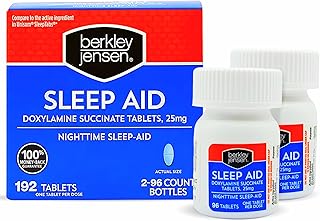
If you've ever struggled with a restless night or battled allergy symptoms, you may have come across Doxylamine Succinate. This widely used active ingredient is a cornerstone in over-the-counter (OTC) sleep aids and certain cold/flu medications. But what exactly is it, how does it work, and is it safe for you? This comprehensive guide dives deep into everything you need to know about Doxylamine Succinate, empowering you to make informed decisions about your health.
What is Doxylamine Succinate?
Doxylamine Succinate is classified as a first-generation ethanolamine antihistamine. In simpler terms, it's an older type of antihistamine known for its potent sedative effects. While its primary mechanism is blocking histamine (H1) receptors—which helps alleviate allergy symptoms like sneezing and runny nose—its strong action on the central nervous system is what makes it exceptionally effective as a short-term sleep aid. Unlike newer, non-drowsy antihistamines, Doxylamine Succinate readily crosses the blood-brain barrier, leading to significant drowsiness.
Common Uses and Applications
Doxylamine Succinate serves two primary purposes in modern medicine, available both as a standalone ingredient and in combination formulas.
1. Short-Term Treatment of Insomnia
This is its most well-known use. OTC sleep aids containing Doxylamine Succinate are intended for adults experiencing occasional sleeplessness. They help reduce the time it takes to fall asleep. It's crucial to understand that these are not for long-term use; they are a temporary solution while you address the underlying causes of your sleep issues, such as stress management or sleep hygiene.
2. Symptomatic Relief of Colds and Allergies
You'll often find Doxylamine Succinate in multi-symptom nighttime cold, flu, and allergy medicines. Here, it plays a dual role: it dries up nasal secretions (an antihistamine effect) and induces drowsiness to help you rest, which is vital for recovery. Daytime versions of these medicines typically use non-sedating antihistamines to avoid drowsiness.
Proper Dosage and Administration
Adhering to the correct dosage is paramount for safety and effectiveness. Always read and follow the Drug Facts label on the product you purchase.
- For Sleep (Adults and children 12 years and older): The typical dose is 25 mg taken 30 minutes before bedtime. Do not exceed this dose in 24 hours.
- For Cold/Allergy Relief (in combination products): Follow the dosing instructions on the specific product. It is usually taken every 4 to 6 hours, not to exceed 4 doses in 24 hours.
Critical Warning: Doxylamine Succinate is not recommended for children under 12 years of age for sleep purposes, and use in younger children for colds should only be under the direction of a doctor. Never crush or chew tablets; swallow them whole with a glass of water.
Potential Side Effects and Risks
Like all medications, Doxylamine Succinate can cause side effects. Being aware of them helps you use the product safely.
Common Side Effects
These are often an extension of its intended sedative effect and may include:
- Drowsiness, sleepiness, sedation
- Dizziness
- Dry mouth, nose, or throat
- Upset stomach
- Headache
- Blurred vision
Because of the pronounced drowsiness, it is absolutely unsafe to drive, operate machinery, or make important decisions after taking it until you know exactly how it affects you.
Serious Side Effects (Seek Medical Help)
While rare, be alert for signs of a severe reaction or overdose:
- Extreme drowsiness, confusion, hallucinations
- Severe dizziness, feeling unsteady
- Difficulty urinating
- Fast/irregular heartbeat
- Tremors or seizures
An overdose of Doxylamine Succinate can be dangerous, especially in children or the elderly, and requires immediate emergency care.
Important Safety Information and Warnings
Your safety depends on understanding these key contraindications and interactions.
- Alcohol Warning: Do NOT consume alcohol while taking this medication. The combination can lead to dangerous levels of sedation, impaired judgment, and respiratory depression.
- Drug Interactions: Doxylamine Succinate can interact with other central nervous system (CNS) depressants, including prescription pain medications (opioids), anti-anxiety drugs (benzodiazepines), muscle relaxants, and other sleep aids. Always inform your doctor or pharmacist of all medications and supplements you are taking.
- Medical Conditions: Consult a doctor before use if you have: glaucoma, an enlarged prostate or urinary problems, chronic bronchitis/emphysema, asthma, liver disease, or thyroid disorder.
- Pregnancy and Breastfeeding: Doxylamine Succinate is sometimes used in combination with Vitamin B6 for morning sickness under a doctor's supervision. However, self-medicating during pregnancy or while breastfeeding is not advised. Always consult your obstetrician.
- Tolerance and Dependence: Using sleep aids containing this ingredient for more than 2 weeks can lead to tolerance (needing more for the same effect) and dependence. It is not intended for long-term management of insomnia.
Doxylamine Succinate vs. Other Sleep Aids
How does it stack up against common alternatives?
- vs. Diphenhydramine: Both are sedating first-gen antihistamines. They are similarly effective for sleep, though some individuals may find one causes less "hangover" effect than the other. It often comes down to personal response.
- vs. Melatonin: This is a key distinction. Melatonin is a hormone that regulates your sleep-wake cycle. It's for adjusting your body's internal clock (like jet lag). Doxylamine Succinate is a sedative that forces drowsiness. They work through completely different mechanisms.
- vs. Prescription Sleep Aids (e.g., Zolpidem): Prescription options are stronger and strictly regulated. Doxylamine Succinate is an OTC option for milder, occasional insomnia but should not be seen as a substitute for prescription treatment of chronic sleep disorders.
When to See a Doctor
Self-treating with OTC sleep aids is appropriate only for short periods. You should consult a healthcare professional if:
- Your insomnia lasts more than 2 weeks.
- You feel you need to use the medication nightly.
- Sleep problems are affecting your daily function, mood, or energy levels significantly.
- You have an underlying health condition like sleep apnea, restless leg syndrome, or chronic anxiety/depression.
A doctor can help diagnose the root cause and recommend a sustainable treatment plan, which may include cognitive behavioral therapy for insomnia (CBT-I), considered a first-line treatment.
Conclusion: A Tool, Not a Cure
Doxylamine Succinate is a powerful and effective tool in the OTC medicine cabinet for combating occasional sleeplessness or the nighttime symptoms of a cold. However, with its potency comes a responsibility to use it wisely. Respect the dosage limits, heed all warnings—especially regarding alcohol and other medications—and never use it as a long-term crutch for sleep problems. For persistent issues, partnering with a healthcare provider is the safest and most effective path to restful, healthy sleep. By understanding this common ingredient, as highlighted in resources like our Doxylamine Succinate tag archive, you take control of your health and wellness journey.