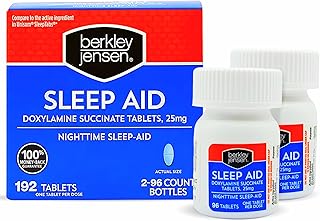
Struggling with occasional sleeplessness can be a frustrating experience, impacting your energy, mood, and overall well-being. For many, over-the-counter (OTC) sleep aids offer a convenient and accessible solution. Among these, Doxylamine Succinate stands out as a widely used and trusted active ingredient. This comprehensive guide delves into everything you need to know about this antihistamine-based sleep aid, from its mechanism of action to safe usage practices, with a focus on popular options like the Kirkland Signature Nighttime Sleep Aid.
What is Doxylamine Succinate and How Does It Work?
Doxylamine Succinate is a first-generation antihistamine. While its primary function is to block histamine (a chemical involved in allergic reactions), a well-known side effect is significant drowsiness. This sedating property is precisely what makes it effective as a short-term sleep aid for occasional sleeplessness. It works by crossing the blood-brain barrier and acting on histamine receptors in the central nervous system, promoting relaxation and making it easier to fall asleep. Unlike some prescription sleep medications, it is not chemically related to benzodiazepines and is generally considered non-habit-forming when used as directed for short periods.
Understanding the Kirkland Signature Nighttime Sleep Aid
The Kirkland Signature Nighttime Sleep Aid is a prominent store-brand product that utilizes Doxylamine Succinate as its sole active ingredient. Each tablet contains 25 mg of doxylamine succinate, which is the standard and effective dose for adult sleep support. Sold in a value pack (like the 96 tablets pack of 4), it provides an economical option for those who experience intermittent sleep difficulties. It's crucial to remember that this, like all sleep medicine containing this antihistamine, is intended for temporary use and should not replace addressing underlying causes of chronic insomnia.
Who Should Consider Using a Doxylamine Sleep Aid?
This type of antihistamine sleep aid is best suited for adults experiencing temporary sleep disruptions. Common scenarios include:
- Jet lag or shift work sleep disorder
- Stress-induced sleeplessness before a major event
- Occasional difficulty falling asleep
- Those seeking a non-prescription, short-term solution
It is not recommended for individuals with certain medical conditions (e.g., glaucoma, enlarged prostate, severe liver disease), pregnant or breastfeeding women, or children without consulting a doctor. Always read the label thoroughly and consult a healthcare professional if you have any concerns or are taking other medications.
Proper Dosage and How to Use Safely
The standard adult dose for sleep is one tablet containing 25 mg of Doxylamine Succinate, taken 30 minutes before bedtime. It is imperative to allow for a full 7-8 hours of sleep after taking it to avoid next-day drowsiness. Key safety guidelines include:
- Short-Term Use Only: Limit use to 2 weeks or less unless directed by a doctor. Prolonged use can lead to tolerance and diminished effectiveness.
- Avoid Alcohol and Other CNS Depressants: Combining with alcohol, tranquilizers, or other sedating medications can dangerously increase drowsiness.
- Start with One Dose: Never exceed the recommended dose in an attempt to achieve faster or stronger effects.
- Be Cautious in the Morning: You may feel drowsy the next day. Avoid driving or operating heavy machinery until you are fully alert.
Potential Side Effects and What to Watch For
While generally well-tolerated, Doxylamine Succinate can cause side effects. The most common is next-day drowsiness or a "hangover" feeling. Other possible effects include:
- Dry mouth, nose, or throat
- Dizziness
- Headache
- Upset stomach or constipation
- Blurred vision
More serious side effects are rare but require immediate medical attention. These include severe dizziness, confusion, difficulty urinating, or a rapid heartbeat. If you experience any severe or unusual reactions, discontinue use and contact a healthcare provider. Choosing a product marketed as a non-habit-forming sleep aid like Kirkland's helps mitigate the risk of dependency, but responsible use is still paramount.
Comparing Doxylamine Succinate to Other Sleep Aids
How does this ingredient stack up against other OTC options? The main alternative is Diphenhydramine (found in brands like Benadryl and ZzzQuil). Both are sedating antihistamines with similar efficacy and side effect profiles. Some individuals may find one works better or causes fewer side effects than the other. Unlike melatonin, which is a hormone that regulates the sleep-wake cycle, Doxylamine Succinate actively induces drowsiness. It is often considered stronger for initiating sleep than melatonin, which is better for circadian rhythm adjustment. For a reliable and cost-effective source of this ingredient, many turn to the Kirkland sleep aid.
Tips for Better Sleep Hygiene Alongside OTC Aids
An OTC sleep aid should be a tool, not a crutch. For sustainable sleep health, pair occasional use with strong sleep hygiene practices:
- Maintain a consistent sleep schedule, even on weekends.
- Create a dark, cool, and quiet bedroom environment.
- Limit exposure to screens (phones, TVs) for at least an hour before bed.
- Avoid caffeine and large meals late in the day.
- Incorporate relaxation techniques like reading or light stretching.
By improving your sleep habits, you may reduce your reliance on nighttime sleep tablets and address the root causes of restlessness.
When to See a Doctor
If your sleep problems persist for more than two weeks, become frequent, or significantly impact your daily life, it's time to consult a doctor. Chronic insomnia can be a symptom of other health issues like anxiety, depression, sleep apnea, or chronic pain. A healthcare professional can help diagnose the underlying cause and recommend a more comprehensive treatment plan, which may include cognitive behavioral therapy for insomnia (CBT-I), considered a first-line treatment for chronic sleep issues.
Final Thoughts on Doxylamine Succinate for Sleep
Doxylamine Succinate is a potent and effective OTC option for managing short-term, occasional sleeplessness. Products like Kirkland Signature Nighttime Sleep Aid provide an accessible and affordable way to utilize this medication. The key to safe and effective use lies in understanding that it is a temporary solution. Always adhere to the recommended dosage, be aware of potential side effects like next-day drowsiness, and prioritize good sleep hygiene for long-term results. By using this sleep medicine responsibly, you can navigate periods of restlessness and work towards healthier, more consistent sleep naturally.