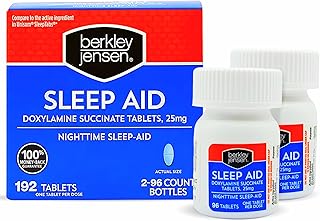
If you've ever found yourself staring at the ceiling in the middle of the night, you're not alone. Occasional sleeplessness is a common struggle, and many turn to over-the-counter (OTC) solutions for help. Among these, Doxylamine Succinate stands out as a widely used and effective antihistamine primarily marketed as a nighttime sleep aid. This comprehensive guide will walk you through everything you need to know about this medication, from how it works in your brain to promote drowsiness to crucial safety information for you and your family.
Understanding the mechanism behind any medication is key to using it wisely. Doxylamine Succinate belongs to a class of drugs known as first-generation antihistamines. While its cousins might fight allergies, its primary superpower is sedation. It works by blocking histamine H1 receptors in the brain. Histamine is a neurotransmitter that promotes wakefulness and alertness. By antagonizing these receptors, Doxylamine Succinate effectively turns down the brain's "awake" signals, leading to drowsiness and facilitating the onset of sleep. It's important to note that while it helps you fall asleep, it is not typically used for staying asleep throughout the night.
Who is Doxylamine Succinate for? It is approved for adults and children 12 years of age and older for the relief of occasional sleeplessness. It's crucial to differentiate "occasional" from chronic insomnia. If you have trouble sleeping most nights for several weeks, it's time to consult a healthcare professional rather than relying solely on an OTC sleep aid tablet. This medication is intended for short-term use, generally not exceeding two weeks. Using it longer can lead to dependence and reduced effectiveness, a phenomenon known as tolerance.
Dosage and Administration: Getting It Right
Proper dosage is the cornerstone of safe and effective medication use. For products like WELMATE Nighttime Sleep Aid, which contains 25 mg of Doxylamine Succinate per tablet, the standard dose for adults and children 12+ is one tablet taken 30 minutes before bedtime. It should be taken only when you can dedicate a full 7-8 hours to sleep. Never take a second dose during the same night. Always follow the specific instructions on the product label, and when in doubt, consult a pharmacist or doctor. It's also advisable to start with a lower dose if you are new to the medication or are sensitive to sedatives, though you should discuss this with a healthcare provider first.
Safety First: Side Effects and Important Warnings
Like all medications, Doxylamine Succinate is not without potential side effects. Being informed helps you use it safely. The most common side effect is, unsurprisingly, drowsiness, which is the intended effect. However, this drowsiness can persist into the next day, leading to a "hangover" feeling, impaired coordination, and dizziness. Other possible side effects include dry mouth, dry nose, blurred vision, and constipation. These are generally mild but should be monitored.
More serious, though less common, side effects require immediate medical attention. These can include confusion, agitation, hallucinations, difficulty urinating, or a rapid heartbeat. It is contraindicated for individuals with certain medical conditions, including untreated narrow-angle glaucoma, severe asthma, COPD, or an enlarged prostate. It can also interact dangerously with alcohol, other sedatives (like benzodiazepines or opioid pain relievers), and certain antidepressants (MAO inhibitors). A full review of your medications with a doctor or pharmacist is essential before starting any new over-the-counter sleep aid.
Common Mistakes and How to Avoid Them
Many people use OTC sleep aids incorrectly, which can reduce their effectiveness or increase risks. One major pitfall is using them as a long-term solution. Doxylamine Succinate is for short-term management of sleeplessness. If your insomnia persists, the underlying cause—such as stress, anxiety, poor sleep hygiene, or a medical condition—needs to be addressed. Another common error is taking the pill too late at night, not allowing for a full night's sleep and risking next-day impairment. Never drive or operate heavy machinery after taking it until you know exactly how it affects you.
Furthermore, don't assume that because it's OTC, it's completely harmless for everyone. Doxylamine succinate for adults may not be suitable for older adults, who are more sensitive to its side effects, particularly anticholinergic effects which can increase the risk of confusion, falls, and cognitive issues. Pregnant or breastfeeding women should avoid it unless explicitly directed by a physician. Always store the medication out of reach of children, as an accidental overdose can be very dangerous.
Maximizing Effectiveness: Pairing Medication with Good Sleep Hygiene
For the best results, view a nighttime sleep aid as one tool in your sleep toolkit, not the entire toolbox. Combining it with excellent sleep hygiene practices can often lead to better outcomes and reduce the need for medication over time. Establish a consistent sleep schedule, even on weekends. Create a relaxing bedtime routine—perhaps reading a book or taking a warm bath. Ensure your bedroom is dark, quiet, and cool. Limit exposure to screens (phones, TVs, computers) for at least an hour before bed, as the blue light can interfere with melatonin production. Avoid caffeine and large meals late in the day.
If you find yourself regularly reaching for a sleep aid tablet, consider cognitive behavioral therapy for insomnia (CBT-I), which is considered the first-line, gold-standard treatment for chronic sleep problems. It addresses the thoughts and behaviors that perpetuate insomnia without any medication.
Choosing a Quality Product: What to Look For
When selecting an OTC product containing Doxylamine Succinate, it's wise to choose from reputable brands that adhere to strict manufacturing standards. Look for products that clearly state the active ingredient and dosage per tablet. For example, a product like WELMATE Nighttime Sleep Aid specifies it contains 25 mg of Doxylamine Succinate and is for adults and children 12+. Opt for formulations without unnecessary additives, dyes, or stimulants. Reading reviews and checking for third-party testing or certifications can also provide peace of mind regarding product quality and consistency.
When to See a Doctor
Self-treating with an over-the-counter sleep aid is appropriate only for occasional, short-term issues. You should consult a doctor if: your insomnia lasts more than two weeks; you experience excessive daytime sleepiness or fatigue despite sleeping; your sleep problems are accompanied by loud snoring, gasping, or pauses in breathing (signs of sleep apnea); you have symptoms of depression or anxiety; or if you have any underlying health conditions like heart, liver, or kidney disease. A healthcare provider can help diagnose the root cause and recommend a safer, more effective long-term treatment plan.
In conclusion, Doxylamine Succinate can be a helpful and effective short-term solution for breaking the cycle of occasional sleeplessness. By understanding its proper use, respecting dosage guidelines, being aware of potential side effects and interactions, and combining it with healthy sleep habits, you can use this insomnia relief tool safely and effectively. Remember, the goal is not just to sleep tonight, but to cultivate habits that support restful sleep for many nights to come.