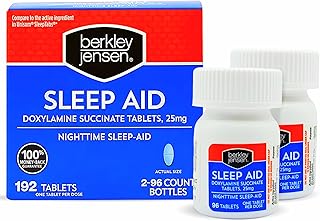
Struggling to get a good night's sleep can impact every aspect of your life, from your mood to your productivity. While there are numerous sleep aids on the market, understanding the specific benefits and proper use of each is crucial for safe and effective relief. One common over-the-counter option is Doxylamine Succinate, an antihistamine widely used for its sedative properties. This guide will delve into what makes this ingredient a popular choice, how to use it correctly, and what you need to know to make an informed decision about your sleep health.
Doxylamine Succinate belongs to a class of drugs known as ethanolamine-derivative antihistamines. Its primary mechanism for inducing sleepiness is by blocking histamine H1 receptors in the brain. Histamine is a neurotransmitter that promotes wakefulness and alertness. By antagonizing these receptors, Doxylamine Succinate effectively reduces this alerting signal, leading to drowsiness and facilitating the onset of sleep. It's important to note that while it is effective for occasional sleeplessness, it is not intended for long-term treatment of chronic insomnia without a doctor's supervision.
Understanding the Benefits of Doxylamine Succinate for Sleep
The primary benefit of using a sleep aid containing Doxylamine Succinate is its ability to help you fall asleep faster. For individuals experiencing transient or short-term insomnia relief, it can be a valuable tool to reset a disrupted sleep cycle. Many users appreciate that it is an over-the-counter-sleep solution, meaning it's readily accessible without a prescription. Furthermore, products like the HealthA2Z® Sleep Aid are formulated to be non-habit-forming when used as directed for short periods, which is a significant concern for many seeking sleep support.
Safety Profile and Important Considerations
Safety is paramount when using any medication. Doxylamine Succinate is generally well-tolerated for occasional use in healthy adults. However, it's not suitable for everyone. Common side effects can include next-day drowsiness, dry mouth, dizziness, and blurred vision. It's crucial to allow for a full 7-8 hours of sleep after taking it to minimize residual sedation. You should avoid alcohol, driving, or operating heavy machinery. It is not recommended for individuals with certain medical conditions like glaucoma, severe liver disease, or asthma, or for those taking other central nervous system depressants. Always consult with a healthcare provider before starting any new sleep aid, especially if you have underlying health conditions or are taking other medications.
Proper Dosage and How to Use Effectively
The standard dose for sleep induction in adults is one 25mg tablet, taken approximately 30 minutes before bedtime. It is vital to use the lowest effective dose for the shortest duration necessary. Do not exceed the recommended dose, as this increases the risk of serious side effects, including severe drowsiness and confusion. For optimal results, combine the medication with good sleep hygiene practices: establish a consistent bedtime routine, ensure your sleep environment is dark and cool, and avoid screens and caffeine in the hours leading up to sleep. Using a product like HealthA2Z® Sleep Aid should be part of a holistic approach to better sleep, not a standalone solution.
Comparing Doxylamine Succinate to Other Sleep Aids
When compared to other OTC sleep aids, such as those containing diphenhydramine, Doxylamine Succinate is often considered to have a more potent sedative effect for some individuals. Both are antihistamines, but their chemical structures differ, which can lead to variations in individual response and side effect profiles. Unlike prescription sleep medications like zolpidem or eszopiclone, which belong to the "Z-drug" class and work on different brain receptors, Doxylamine Succinate is not associated with complex sleep behaviors. However, prescription options are typically reserved for more severe, chronic insomnia under direct medical management.
Who Should Consider Using Doxylamine Succinate?
This sleep aid is best suited for adults experiencing occasional, situational insomnia—such as stress-related sleeplessness, jet lag, or temporary schedule disruptions. It is not a cure for the underlying causes of chronic sleep problems. If you find yourself needing a sleep aid more than two or three times a week for several weeks, it's essential to consult a doctor to investigate potential root causes like sleep apnea, anxiety, or other medical issues. The HealthA2Z brand offers a convenient pack of 120 counts, but this should be viewed as a supply for infrequent use over a long period, not an endorsement for nightly consumption.
Common Mistakes and How to Avoid Them
One of the biggest mistakes is using Doxylamine Succinate for longer than the recommended short-term period, which can lead to tolerance (needing more to get the same effect) and rebound insomnia when stopping. Another error is taking it too late at night without allowing for adequate sleep time, resulting in dangerous morning grogginess. Users should also avoid combining it with other sedating substances. Always read the product label carefully and follow the directions. Storing the 25mg-tablets in a safe place away from children is also a critical safety step.
Final Verdict: Is Doxylamine Succinate Right for You?
Doxylamine Succinate can be an effective, accessible tool for managing short-term sleep difficulties. Its status as a non-habit-forming, over-the-counter option makes it a viable first-line consideration for many. However, responsible use is non-negotiable. By understanding its mechanism, respecting the dosage guidelines, and pairing it with healthy sleep habits, you can use it safely to get the rest you need. For those seeking a specific product, the HealthA2Z® Sleep Aid provides a straightforward formulation of this ingredient. Remember, persistent sleep issues warrant a conversation with a healthcare professional to ensure you are addressing your health comprehensively.