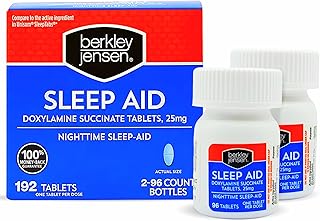
For millions of people, a good night's sleep feels like an elusive dream. Tossing, turning, and watching the clock tick away can leave you exhausted and frustrated. While there are numerous solutions on the market, finding one that is effective yet avoids dependency is a top priority for many. This is where understanding the role of a specific antihistamine, Doxylamine Succinate, becomes crucial. As a non-prescription, non-habit-forming option, it has become a cornerstone for those seeking temporary relief from sleeplessness without the risks associated with some other sleep medications.
This comprehensive guide will delve into everything you need to know about using Doxylamine Succinate for sleep. We'll explore its mechanism of action, appropriate usage, safety considerations, and how it compares to other options. Our goal is to provide you with the knowledge to make an informed decision about managing your sleep health, potentially with products like the HealthA2Z® Sleep Aid, which utilizes this specific ingredient.
What is Doxylamine Succinate and How Does It Work?
Doxylamine Succinate is classified as a first-generation antihistamine. While its primary use was originally for allergy relief, its potent sedative side effect is what makes it valuable as a sleep aid. Unlike newer, non-sedating antihistamines, doxylamine readily crosses the blood-brain barrier. Once in the central nervous system, it blocks histamine receptors. Histamine is a neurotransmitter that promotes wakefulness and alertness; by inhibiting its action, doxylamine induces drowsiness and facilitates the onset of sleep.
It's important to understand that its effect is central to its classification as a non-habit-forming solution. It does not work on the same brain pathways as prescription sedatives (like benzodiazepines or "Z-drugs") which can lead to physical dependence and tolerance. Instead, it provides a pharmacological nudge towards sleep by temporarily altering neurotransmitter activity, making it a suitable over-the-counter sleep option for short-term use.
Who Can Benefit from Doxylamine Succinate Sleep Aids?
Doxylamine-based sleep aids are designed for adults experiencing occasional, temporary sleeplessness. This could be due to stress, jet lag, shift work, or other situational factors disrupting your normal sleep cycle. They are not intended for chronic, long-term insomnia relief, which requires a doctor's diagnosis and a comprehensive treatment plan that may include cognitive behavioral therapy.
If you find yourself lying awake for nights on end, a product containing doxylamine succinate might help break the cycle and re-establish a healthier sleep pattern. However, it is a tool for management, not a cure for underlying sleep disorders. Always consult with a healthcare provider to rule out conditions like sleep apnea or restless leg syndrome.
Using Doxylamine Succinate Safely and Effectively
Dosage and Timing
The standard dose for sleep is 25mg, taken 30 minutes before bedtime. It is critical to follow the dosage instructions on the product label, such as those found on the HealthA2Z® Sleep Aid. Do not take more than one dose in 24 hours. Taking it too late at night may cause grogginess the next morning, so ensure you have a full 7-8 hours dedicated to sleep after ingestion.
Potential Side Effects and Interactions
While generally safe when used as directed, common side effects can include next-day drowsiness, dry mouth, dizziness, and blurred vision. These are often dose-related. More serious but rare side effects can include confusion or urinary retention. Doxylamine can interact with other central nervous system depressants, such as alcohol, prescription opioids, tranquilizers, and other sleep medications. Combining these can lead to dangerous levels of sedation and impaired motor function.
It is also contraindicated for individuals with certain medical conditions, including narrow-angle glaucoma, severe asthma, COPD, or an enlarged prostate. Pregnant or breastfeeding women should avoid it unless explicitly advised by a doctor.
The Non-Habit-Forming Advantage: What It Really Means
The label "non-habit-forming" is a significant benefit and a key reason many consumers choose doxylamine-based products. This means the body does not develop a physical dependence or tolerance that requires increasing doses to achieve the same effect, which is a common risk with some prescription sleep aids. However, "non-habit-forming" does not mean "risk-free."
Psychological dependence can still occur if you begin to believe you cannot sleep without an aid. Therefore, these products are recommended for short-term use, typically no longer than two weeks. They should be part of a broader sleep hygiene strategy that includes a consistent bedtime, a dark and cool sleep environment, and limiting screen time before bed.
Doxylamine Succinate vs. Other Common Sleep Aids
How does doxylamine stack up against other options?
- Diphenhydramine: Another first-generation antihistamine (found in brands like Benadryl® and ZzzQuil®). Both are similarly effective, though some individuals may find one causes less next-day grogginess than the other. It often comes down to personal response.
- Melatonin: A hormone that regulates the sleep-wake cycle. Melatonin is better for adjusting your internal clock (e.g., for jet lag) rather than forcing sedation. Doxylamine is typically stronger for inducing sleep in the moment.
- Prescription Sleep Aids: Medications like zolpidem (Ambien) or eszopiclone (Lunesta) work on different GABA receptors. They are potent but carry higher risks of dependency, complex sleep behaviors, and are only for use under strict medical supervision.
For those seeking an effective, accessible, and non-habit-forming OTC solution, a doxylamine succinate product offers a balanced middle ground.
Integrating a Sleep Aid into a Holistic Sleep Routine
An OTC sleep aid should not be the first or only line of defense. Think of it as a temporary support beam while you repair the foundation of your sleep habits. A holistic approach is essential:
- Establish a Ritual: Create a calming pre-sleep routine—read a book, take a warm bath, practice light stretching.
- Optimize Your Environment: Ensure your bedroom is dark, quiet, and cool. Consider blackout curtains and a white noise machine.
- Mind Stimulants: Avoid caffeine, nicotine, and heavy meals for at least 4-6 hours before bedtime.
- Manage Stress: Techniques like meditation, deep breathing, or journaling can calm a racing mind.
- Use Aids Judiciously: On nights when sleep seems impossible, a single dose of a reliable aid, used according to label instructions, can help reset your pattern.
When selecting a product, look for trusted brands that provide clear labeling. For example, the HealthA2Z® Sleep Aid clearly states its active ingredient as Doxylamine Succinate 25mg and emphasizes its non-habit-forming nature, aligning with the needs of safety-conscious consumers.
Final Thoughts: Making an Informed Choice for Better Sleep
Occasional sleeplessness is a common challenge, but it doesn't have to control your life. Doxylamine Succinate provides a scientifically-backed, accessible, and non-habit-forming option for adults seeking temporary relief. By understanding how it works, respecting its dosage guidelines, and being aware of potential side effects and interactions, you can use it safely as part of a broader commitment to sleep health.
Remember, if sleep problems persist beyond a couple of weeks, it is imperative to consult a healthcare professional. They can help identify any underlying causes and develop a long-term management strategy. For those nights when you need a little extra help to drift off, knowledge is your best tool. Choose a product that is transparent about its ingredients and intended use, and prioritize your journey back to restful, rejuvenating sleep.