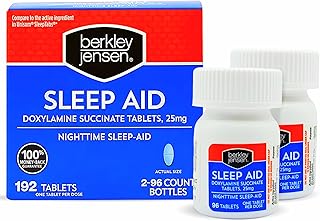
If you've ever spent a night staring at the ceiling, you know how frustrating occasional sleeplessness can be. While there are many options for sleep support, one ingredient frequently found in over-the-counter sleep aids is Doxylamine Succinate. This antihistamine is the active component in products like Amazon Basic Care Nighttime Sleep Aid Tablets, offering a potential solution for those nights when sleep just won't come. But what exactly is it, how does it work, and is it safe for regular use? This guide dives deep into the science, benefits, and important considerations of using Doxylamine Succinate as a sleep aid.
What is Doxylamine Succinate and How Does It Promote Sleep?
Doxylamine Succinate is classified as a first-generation ethanolamine antihistamine. Originally developed to combat allergy symptoms like sneezing and runny nose, its strong sedative side effect became its primary therapeutic use for sleep. Unlike newer, "non-drowsy" antihistamines, doxylamine readily crosses the blood-brain barrier and blocks histamine receptors in the central nervous system. Histamine is a key neurotransmitter involved in promoting wakefulness and alertness. By inhibiting its action, Doxylamine Succinate induces drowsiness and can help you fall asleep faster.
It's important to understand that this mechanism is different from prescription sleep medications, which often target GABA receptors. As an non-habit-forming sleep aid, doxylamine is not associated with physical dependence in the same way some prescription drugs can be, making it a popular choice for occasional sleeplessness. Products containing the standard 25mg dose, such as the Amazon Basic Care Nighttime Sleep Aid Tablets for Adults, are formulated specifically for this adult sleep support purpose.
Who Should Consider a Doxylamine-Based Sleep Aid?
Doxylamine Succinate 25 mg tablets are intended for adults experiencing transient or short-term insomnia. This might include sleep difficulties caused by stress, travel (jet lag), or temporary changes in schedule. It is considered a suitable option for those who prefer an over-the-counter solution and want to avoid the potential for habit formation associated with other sleep drug classes. If your primary issue is falling asleep, rather than staying asleep, a nighttime sleep aid with this ingredient may be particularly effective.
However, it is not a cure for chronic insomnia, which often has underlying medical, psychological, or lifestyle causes. For chronic sleep problems, consulting a healthcare professional is crucial to address the root issue. This ingredient is best suited for otherwise healthy adults who need help resetting their sleep cycle during brief periods of disruption.
Safety Profile, Side Effects, and Important Precautions
While generally safe when used occasionally and as directed, Doxylamine Succinate is not without potential side effects. The most common is next-day drowsiness or a "hangover" feeling, which can impair driving or operating machinery. Dry mouth, dizziness, and blurred vision are also possible. Because of its strong sedative properties, it should never be combined with alcohol, other sedatives, or certain antidepressants.
Certain populations should avoid it or use it only under medical supervision. This includes individuals with glaucoma, severe asthma, chronic bronchitis, or an enlarged prostate. Pregnant or breastfeeding women should consult a doctor before use. The "non-habit-forming" label refers to the lack of chemical dependency, but psychological reliance can develop if used nightly for extended periods. It is recommended for short-term use, typically no longer than two weeks.
How to Use Doxylamine Succinate Effectively and Responsibly
For the best results and safety, follow these guidelines. First, take only one tablet (25mg) about 30 minutes before bedtime. Do not take a second dose during the same night. Ensure you have a full 7-8 hours dedicated to sleep to minimize next-day sedation. Start with a low-stakes night where you don't have critical early morning obligations to see how your body reacts.
Incorporate it into a broader insomnia relief strategy. This means practicing good sleep hygiene: keep your bedroom dark, cool, and quiet; avoid screens before bed; and establish a consistent sleep schedule. The sleep aid is a tool to help you get back on track, not a substitute for healthy sleep habits. For a product that provides this standard dose in a value package, you can explore options like the 96-count Amazon Basic Care Nighttime Sleep Aid Tablets.
Common Myths and Misconceptions About OTC Sleep Aids
Several myths surround over-the-counter sleep aids like those containing doxylamine succinate. One is that "natural" always means safer or better. While some natural remedies can be helpful, an OTC medication with a well-studied active ingredient like doxylamine has a clear, predictable dose and effect. Another myth is that these aids are completely harmless for long-term use. As discussed, they are intended for short-term management of symptoms.
Finally, some believe all sleep aid tablets are the same. There are different active ingredients (like diphenhydramine) with slightly different profiles. Doxylamine is often considered one of the most sedating OTC options, which is why it's dedicated solely to sleep aid formulations, unlike diphenhydramine which is also common in allergy medicines.
When to See a Doctor: Beyond Occasional Sleeplessness
If you find yourself needing a sleep aid more than a few nights a week for over two weeks, it's time to consult a doctor. This could indicate an underlying sleep disorder like sleep apnea, restless legs syndrome, or chronic insomnia. A healthcare provider can help diagnose the issue and recommend a treatment plan, which may include cognitive behavioral therapy for insomnia (CBT-I), considered a first-line treatment for chronic sleep problems.
Persistent fatigue despite adequate time in bed, loud snoring, gasping for air at night, or uncontrollable leg movements are all red flags that warrant professional evaluation. Using OTC aids to mask these symptoms can delay getting necessary treatment.
Conclusion: A Tool for Your Sleep Toolkit
Doxylamine Succinate, as found in trusted OTC products, can be an effective and convenient tool for managing brief episodes of sleeplessness. Its mechanism of action provides reliable drowsiness, and its non-habit-forming nature offers peace of mind for adult sleep support. By understanding its proper use, respecting its side effects, and integrating it with healthy sleep practices, you can use it safely to navigate those inevitable rough nights. Remember, it's a short-term bridge back to restful sleep, not a long-term solution. For those interested in this specific form of insomnia relief, details on a 25mg formulation are available through the Amazon Basic Care Nighttime Sleep Aid product page.