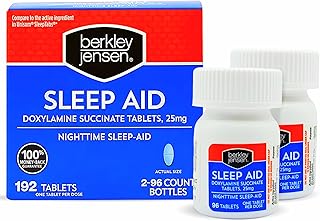
Struggling with occasional sleeplessness can be frustrating, impacting your energy, mood, and overall well-being. While many turn to prescription medications, over-the-counter (OTC) options like antihistamine-based sleep aids offer a widely accessible solution. Among these, Doxylamine Succinate stands out as a primary active ingredient in trusted brands, including the popular Kirkland Signature Sleep Aid. This comprehensive guide will explore everything you need to know about this common non-prescription sleep aid, from its mechanism of action to safe usage practices.
What is Doxylamine Succinate and How Does It Work?
Doxylamine Succinate is a first-generation ethanolamine antihistamine. While its primary function is to block histamine (H1) receptors to reduce allergy symptoms, its significant side effect is drowsiness. This sedating property is precisely why it is effectively repurposed as a sleep aid. It works by crossing the blood-brain barrier and depressing activity in the central nervous system, helping to quiet the mind and body to facilitate the onset of sleep. Unlike some sleep aids that target specific sleep receptors, its action is more general, promoting a state of sedation that can help users fall asleep faster.
Kirkland Signature Sleep Aid: A Closer Look at the Product
The Kirkland Signature Sleep Aid Doxylamine Succinate 25 Mg is a prime example of a cost-effective, bulk OTC solution for intermittent sleep issues. Sold in a value-sized 2-pack containing 192 tablets, it offers a substantial supply. As a Kirkland Signature product, it adheres to the brand's promise of delivering quality comparable to national brands at a member-value price. Each tablet contains 25 mg of doxylamine succinate, which is the standard and maximum dose recommended for sleep induction in adults. It's important to note that this product is intended for short-term use to address temporary sleeplessness, not chronic insomnia.
Doxylamine Succinate vs. Other Common Sleep Aid Ingredients
When browsing the sleep aid aisle, you'll encounter a few key active ingredients. Understanding how doxylamine succinate compares can help you make an informed choice.
- Diphenhydramine: This is the other major OTC antihistamine sleep aid (found in brands like Benadryl and ZzzQuil). Both are similarly effective for sleep onset, but some users report differences in side effect profiles or duration of effect.
- Melatonin: This is a hormone your body naturally produces to regulate sleep-wake cycles. Melatonin supplements are used to reset your internal clock (e.g., for jet lag) rather than as a direct sedative. Antihistamine sleep aids like doxylamine provide a stronger sedative effect for immediate sleep induction.
- Valerian Root, Chamomile: These are herbal supplements. Their effects are generally milder and less consistently proven than antihistamines, and they work through different mechanisms.
The choice often comes down to personal response, the nature of your sleep difficulty, and how your body tolerates the medication.
Proper Dosage and How to Use Kirkland Sleep Aid Safely
Safety is paramount when using any sleep aid. For the Kirkland Sleep Aid, the standard dose for adults and children 12 years and older is one 25 mg tablet taken 30 minutes before bedtime. Do not exceed this dose in a 24-hour period. It should be taken only when you can dedicate a full 7-8 hours to sleep to avoid next-day drowsiness. This product is not recommended for children under 12 years of age. To maximize safety and effectiveness:
- Use it for the shortest duration necessary, typically no more than 2 weeks, unless directed by a doctor.
- Avoid alcohol completely, as it can dangerously increase sedation and side effects.
- Consult a healthcare provider before use if you have glaucoma, asthma, chronic bronchitis, liver disease, or are taking other medications (especially sedatives or antidepressants).
- Do not use it if you are pregnant or breastfeeding without medical advice.
Potential Side Effects and Important Precautions
Like all medications, doxylamine succinate can cause side effects. The most common is next-day drowsiness or a "sleep hangover," which can impair driving or operating machinery. Other possible side effects include:
- Dry mouth, nose, or throat
- Dizziness or headache
- Upset stomach or constipation
- Blurred vision
- Restlessness or nervousness (paradoxical reaction, especially in children)
More serious but rare side effects include severe dizziness, difficulty urinating, or irregular heartbeat. If you experience these, discontinue use and seek medical attention. Tolerance can also develop with regular use, meaning you may need more of the drug to achieve the same effect, which increases the risk of side effects. This is a key reason for limiting long-term use.
Who Should Consider Using Doxylamine Succinate for Sleep?
This doxylamine sleep aid is best suited for adults experiencing short-term, situational insomnia. This includes sleep disruption caused by stress, travel (jet lag), or temporary schedule changes. It is not a first-line treatment for chronic insomnia, which often requires addressing underlying causes through cognitive behavioral therapy (CBT-I) or other medical interventions. Individuals who have tried lifestyle changes (sleep hygiene, reducing caffeine) without success for occasional sleeplessness may find it helpful. Always start with the lowest effective dose and monitor your body's response.
Integrating Sleep Aids into a Holistic Sleep Strategy
An OTC sleep aid should be one tool in a broader toolkit for good sleep, not a standalone solution. For sustainable insomnia relief, combine occasional use of a product like Kirkland Sleep Aid with strong sleep hygiene practices:
- Maintain a consistent sleep schedule, even on weekends.
- Create a dark, cool, and quiet sleep environment.
- Limit exposure to blue light from screens for at least an hour before bed.
- Avoid large meals, caffeine, and nicotine close to bedtime.
- Incorporate relaxation techniques like reading, light stretching, or meditation.
By relying on these habits as your primary method, you can reserve the sleep aid for those nights when extra help is truly needed, preventing dependency and maximizing its effectiveness.
Final Verdict: Is Kirkland Signature Sleep Aid Right for You?
The Kirkland Signature Sleep Aid offers a potent, affordable option for adults dealing with occasional sleeplessness. Its active ingredient, doxylamine succinate, is a well-established and effective sedating antihistamine. The value-sized packaging makes it economical for households. However, its use requires respect and caution. It is most effective and safest when used intermittently and as directed, alongside a commitment to good sleep practices. If your sleep problems persist beyond a couple of weeks, it is crucial to consult a healthcare professional to rule out underlying conditions. For short-term insomnia relief, this Kirkland product is a reliable and accessible choice in the world of non-prescription sleep aids.